Two of the most common options are a traditional funeral and a memorial service. While these terms are sometimes used interchangeably, they actually refer to two distinct types of gatherings, each with its own customs, benefits, and emotional rhythms. Understanding the differences can help families choose the option that feels most fitting for their loved one and the way they wish to be remembered.
Defining a Traditional Funeral
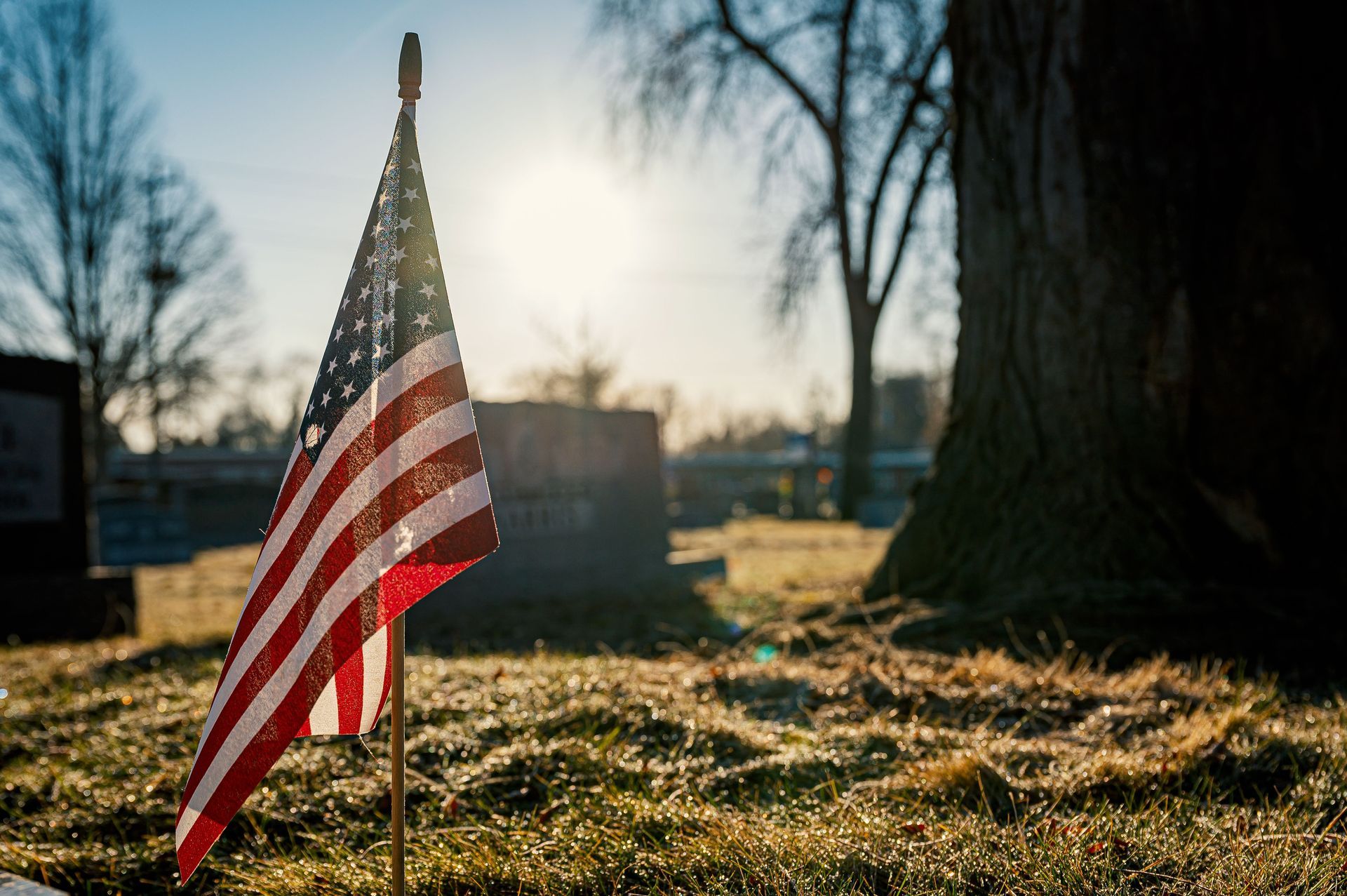
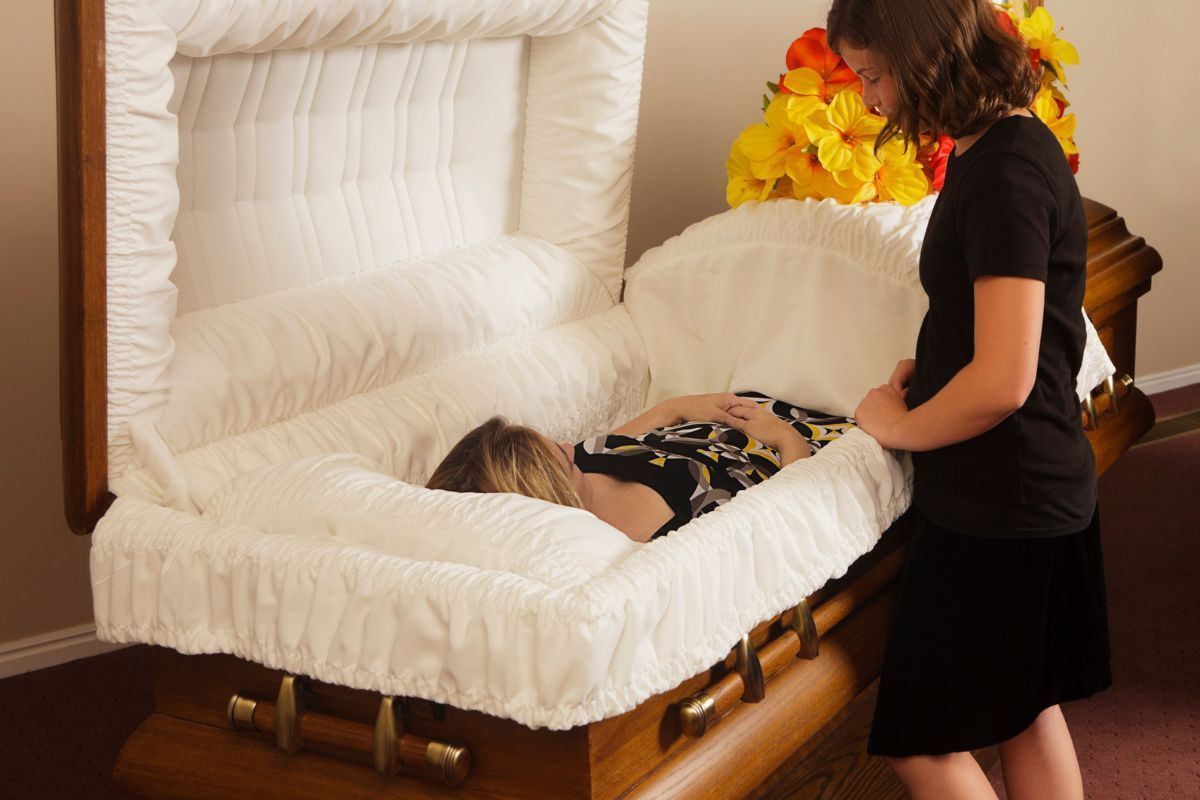
A traditional funeral is typically held within a few days of a person's passing and centers around the presence of the deceased. The body is usually present during the service, either in an open or closed casket, and the gathering often includes a viewing or visitation period beforehand. Funerals are commonly held at a funeral home, a place of worship, or a graveside, and they are often followed by a burial or interment.
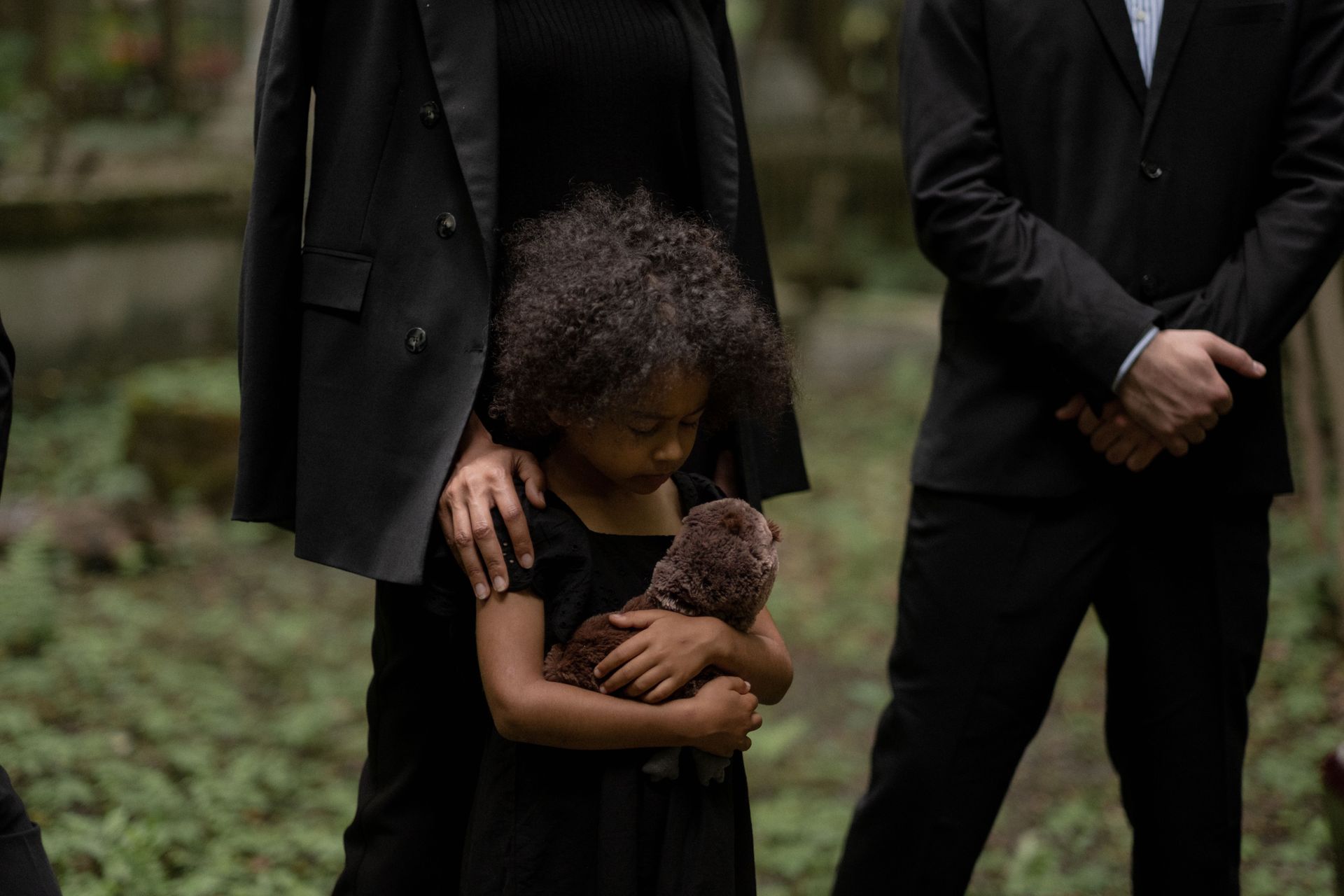
Funerals tend to follow a more structured format, with elements such as readings, eulogies, prayers, music, and rituals that reflect the religious or cultural traditions of the family. The presence of the deceased provides a powerful focal point that allows family and friends to say goodbye tangibly. For many families, choosing traditional services offers a sense of closure that comes from honoring time-tested customs and gathering in the physical presence of their loved one.
Defining a Memorial Service
A memorial service, on the other hand, is a ceremony held to honor a loved one without the body being present. This can take place days, weeks, or even months after the person has passed away, giving families much greater flexibility in scheduling and planning.
Memorial services are often held when the deceased has been cremated, when the body has been buried privately beforehand, or when circumstances make a traditional funeral less practical.
Memorial services can be held almost anywhere, including funeral homes, places of worship, community centers, outdoor venues, family homes, or locations that held special meaning to the deceased. This flexibility allows families to create gatherings that feel deeply personal and reflective of their loved one's life and passions.
The Role of Cremation in Memorial Services
Cremation has grown significantly in popularity across Michigan and the country as a whole, and it often goes hand in hand with memorial services. When families choose cremation services, they gain the option of holding a memorial service at a later date, sometimes weeks after the cremation has taken place. This can be especially helpful when family members live far apart and need time to travel, or when the family simply wants more time to plan a meaningful tribute.
Cremation also opens the door to creative possibilities for honoring a loved one. Some families choose to scatter ashes in a meaningful location during the memorial service.
Others keep the urn present at the gathering as a quiet focal point. There is no single right way, and the choice ultimately rests with what feels most comforting and meaningful for the family.
Key Differences Between the Two
The most obvious difference between a funeral and a memorial service is the presence of the deceased. Funerals are body present services, while memorial services are not. However, there are several other distinctions worth noting.
Timing is another major factor. Funerals typically occur within three to seven days after death, while memorial services can be scheduled with much greater flexibility. This can ease pressure on grieving families and allow more time for thoughtful preparation.
Format and atmosphere can also differ. Funerals often follow more traditional structures with religious or cultural elements at their core. Memorial services tend to have a more open ended format, sometimes feeling closer to a celebration of life. Music, storytelling, photo and video tributes, themed decorations, and unique personal touches are often more prominent in memorial settings.
Location is another consideration. Funerals are typically held in funeral homes, churches, or graveside settings. Memorial services can be held wherever the family feels is most appropriate, whether that is a beloved park, a family backyard, a community hall, or any other meaningful place.
Creating a Personal and Meaningful Tribute
Whether a family chooses a funeral, a memorial service, or a combination of both, the most important thing is that the gathering reflects the spirit of the person being remembered. Some families opt for a small private funeral followed by a larger memorial service, allowing for both immediate closure and a broader celebration of life.
This is where thoughtful personalization can make all the difference. From displaying treasured photographs and personal belongings to incorporating favorite songs, hobbies, and stories, every detail can be tailored to honor the unique life of the loved one.
Some families create memory tables, others release butterflies or doves, and many choose to invite guests to share their favorite memories during the service. There are no rules, only opportunities to create something deeply meaningful.
Choosing What Feels Right
There is no universally correct choice between a funeral and a memorial service. Each family must consider their own values, traditions, financial situation, and what they believe their loved one would have wanted. Cultural and religious traditions often play a significant role in this decision, as do practical considerations such as the locations of family members and the time of year.
Some families find comfort in the structure and immediacy of a traditional funeral, while others appreciate the flexibility and personalization that come with a memorial service. There is also no rule against blending elements of both. A funeral can include personalized touches that feel like a celebration of life, and a memorial service can incorporate meaningful rituals and traditions.
Honoring a Life With Care
No matter which type of service a family chooses, the goal remains the same: to gather in love, share memories, and honor a life well lived. A compassionate funeral provider can walk families through every option, answer questions, and help create a service that feels true to the person being remembered. Whether the gathering is held immediately or weeks later, in a chapel or under an open sky, what matters most is the love and connection shared among those who come together.
If your family is exploring options for honoring a loved one and would like guidance from a team that understands the importance of both tradition and personal expression, the caring professionals at Ray Funeral Services are here to help.
With deep ties to the Three Rivers community and a heartfelt commitment to every family they serve, Lindsey and Kyle Ray are dedicated to creating meaningful services that truly reflect the life being celebrated. Please feel welcome to start the conversation whenever you are ready.