Understanding the components of a traditional service can help families feel more prepared and confident as they make decisions during a difficult time.
A traditional funeral service is often chosen because it provides structure, familiarity, and meaningful opportunities for family and friends to gather, reflect, and support one another. While each service can be personalized, there are several elements that are typically included.
At
Ray Funeral Services, families in Three Rivers, MI, are guided through each step with care, ensuring that every detail reflects their loved one’s life and the family’s wishes.
The Role of a Traditional Funeral Service
A traditional funeral service is designed to honor the life of the person who has passed while providing a space for loved ones to come together in remembrance. It offers a balance of ceremony, reflection, and closure.
Through
traditional funeral services, families can create a meaningful experience that often includes a visitation, a formal ceremony, and a graveside service. Each of these components plays an important role in the grieving process.
Visitation or Viewing
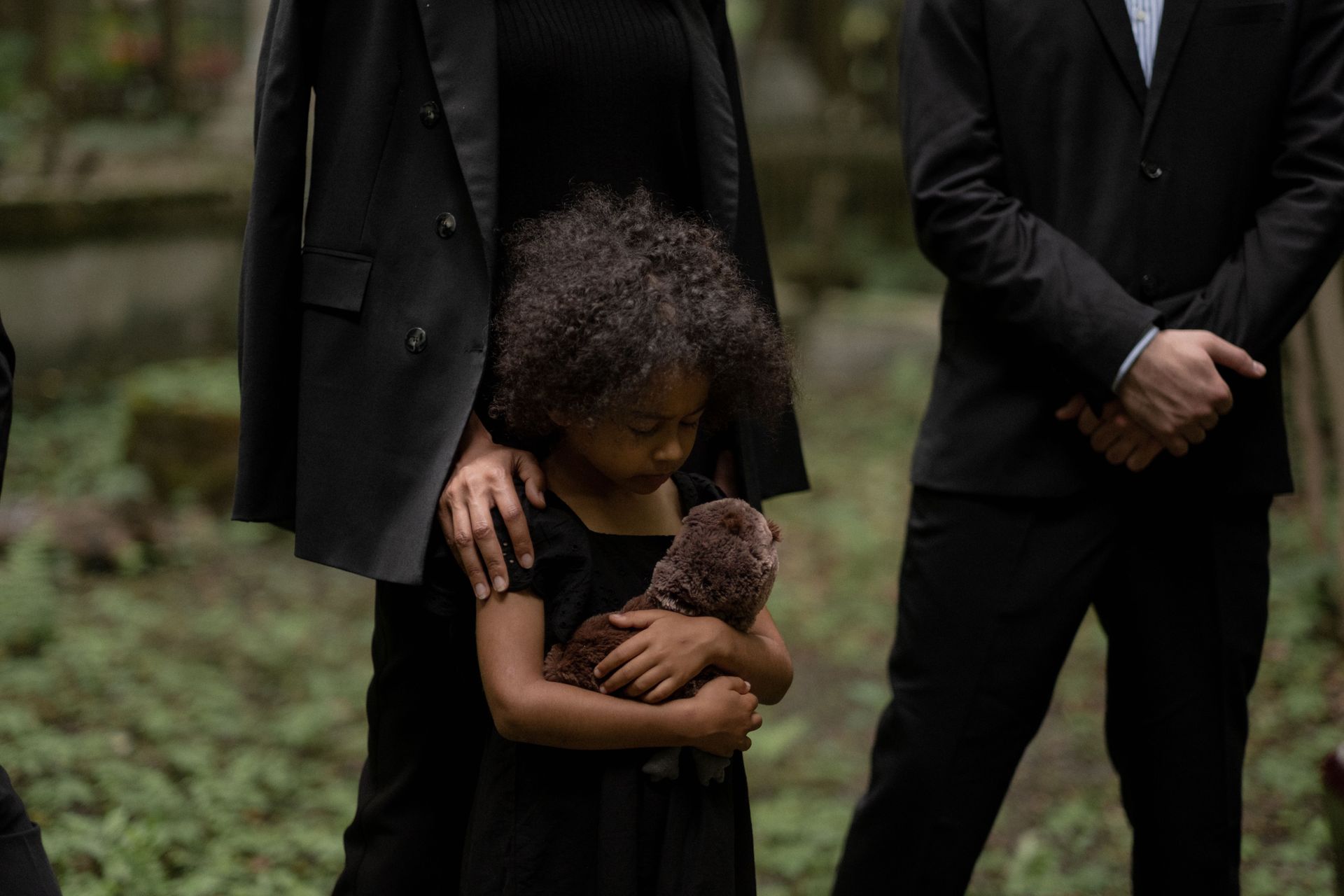
The visitation, sometimes called a viewing or wake, is often the first part of a traditional funeral service. It provides an opportunity for family, friends, and community members to gather, offer condolences, and share memories.
During this time:
- The family may receive guests and support in person
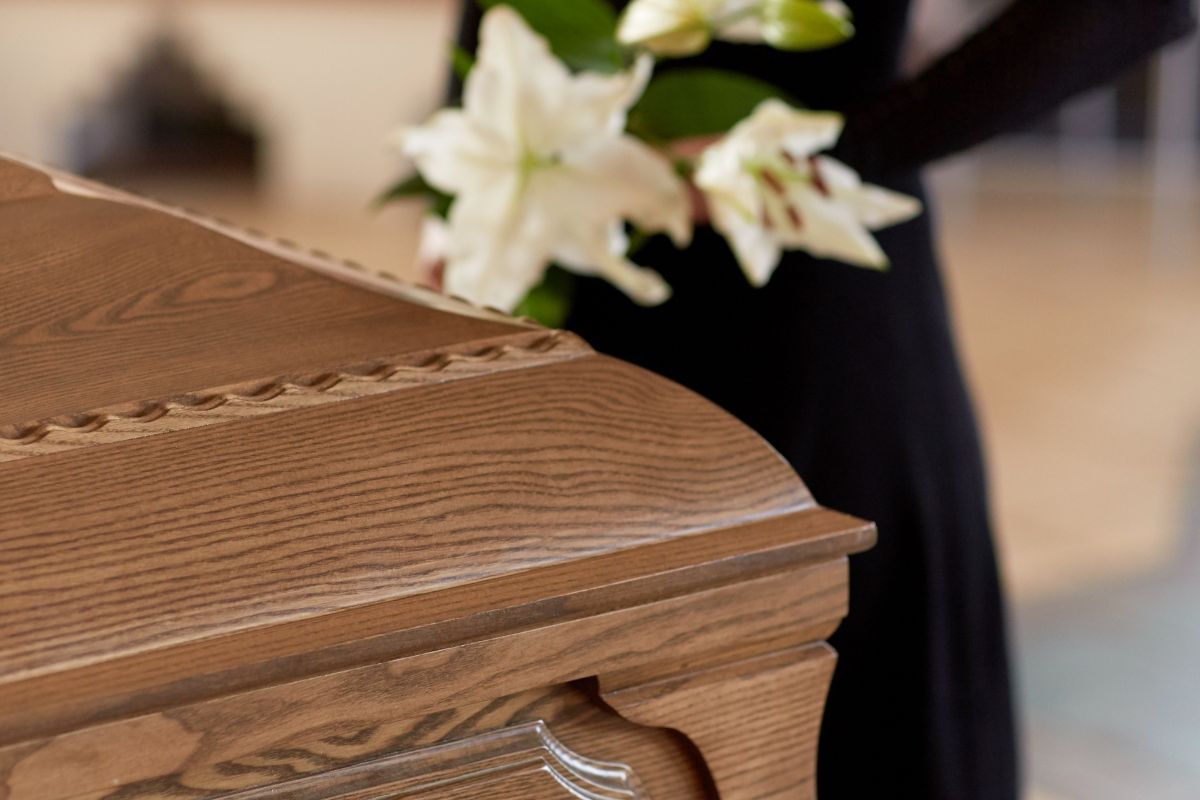
- The deceased may be present in an open or closed casket
- Guests can spend quiet moments reflecting or speaking with loved ones
For many families, visitation is an important step in acknowledging the reality of the loss. It allows for connection and support before the formal service takes place.
The Funeral Ceremony
The funeral ceremony itself is typically held in a funeral home, church, or other meaningful location. This is the central part of the service where loved ones gather to honor and remember the life that was lived.
A traditional funeral ceremony often includes:
- Opening remarks or prayers
- Readings, scripture, or personal reflections
- Music selections, such as hymns or favorite songs
- A eulogy or tribute delivered by a family member, clergy member, or friend
This portion of the service provides structure while allowing room for personal expression. It is a time to reflect on the person’s values, accomplishments, and relationships.
Personalization and Meaningful Details
While traditional services follow a familiar structure, they can still be deeply personal. Families often choose to incorporate elements that reflect their loved one’s personality, passions, and life story.
Through thoughtful
personalization options, services can include:
- Photo displays or memory tables
- Video tributes showcasing meaningful moments
- Special music that held significance
- Unique readings or shared stories
These personal touches help transform the service into a true reflection of the individual being honored. They remind attendees not only of the loss, but also of the life and legacy that remain.
Procession to the Cemetery
Following the funeral ceremony, there is often a procession to the cemetery. This is a symbolic journey where family and friends travel together to the final resting place.
The procession allows loved ones to remain connected as they move from the ceremony to the graveside. It also provides a sense of continuity and shared support.
Funeral directors coordinate this portion of the service carefully, ensuring that everything proceeds smoothly and respectfully.
Graveside Service
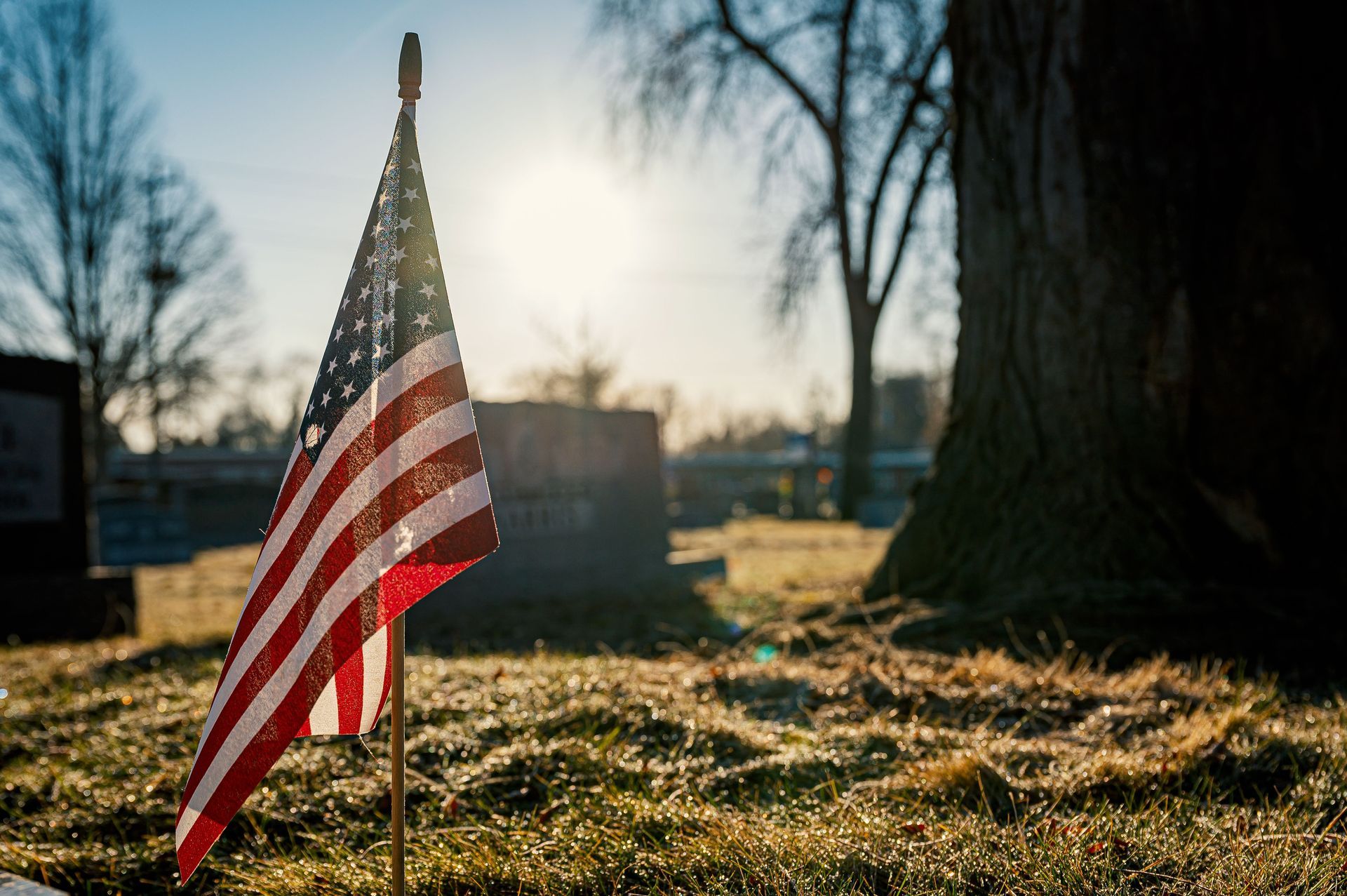
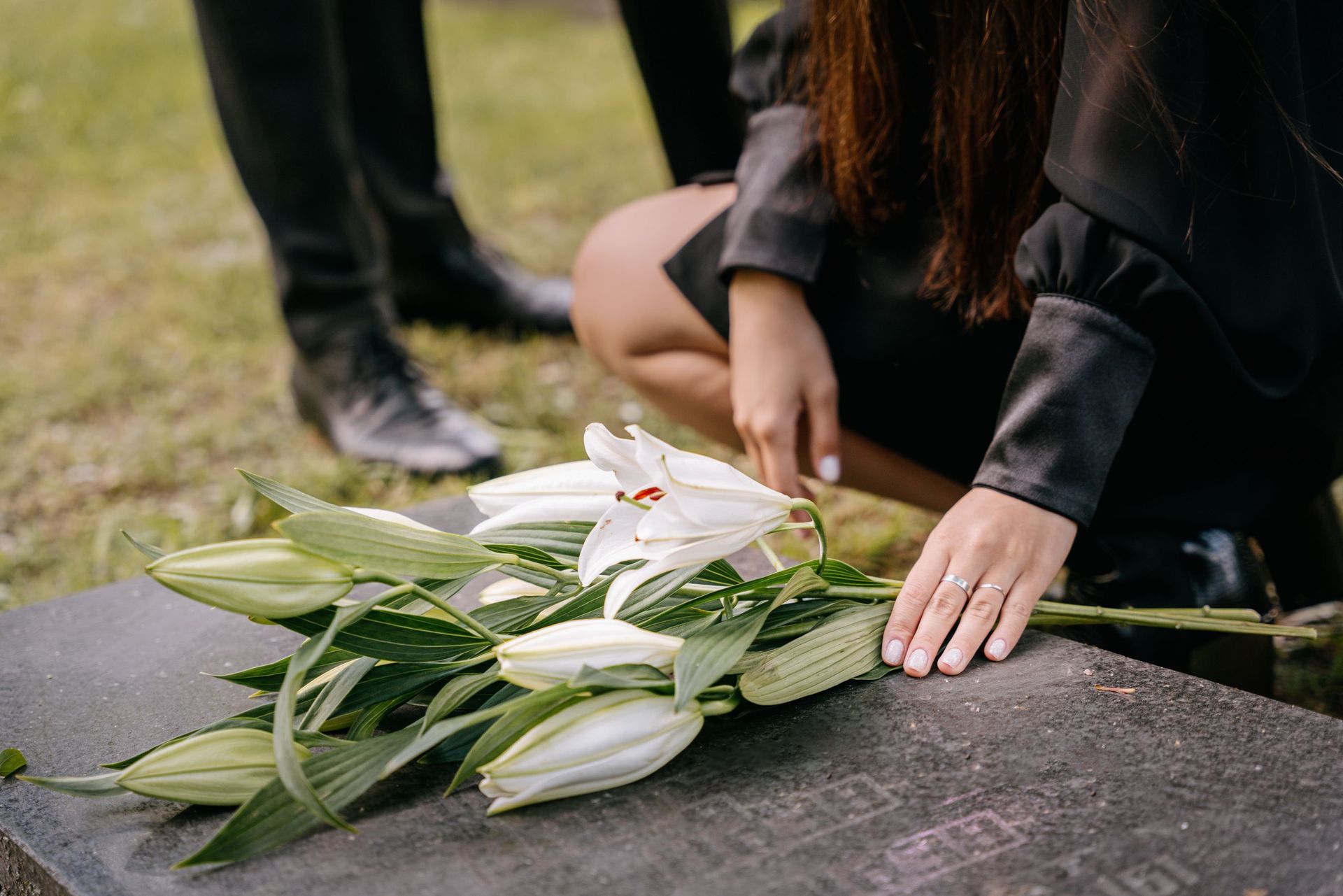
The graveside service is the final part of a traditional funeral. It takes place at the burial site and often includes a brief ceremony.
This portion may involve:
- Final prayers or blessings
- Words of committal
- A moment of silence or reflection
- The lowering of the casket
For many families, the graveside service provides a sense of closure. It marks the final farewell and offers a quiet, intimate space for reflection.
Behind-the-Scenes Care and Preparation
While families see the visible parts of a funeral service, much of the work happens behind the scenes. Funeral directors handle numerous responsibilities to ensure that everything is carried out with dignity and professionalism.
These responsibilities may include:
- Preparing the deceased for viewing
- Coordinating with clergy, cemeteries, and service providers
- Filing necessary documentation and permits
- Arranging transportation and timing of events
Families are often unaware of how many details are managed on their behalf. This support allows them to focus on grieving and remembering, rather than logistics.
Flexibility Within Tradition
It is important to remember that a “traditional” funeral does not mean rigid or inflexible. Families can adapt each part of the service to reflect their beliefs, preferences, and cultural traditions.
Some families may choose a more formal structure, while others prefer a relaxed, conversational tone. The goal is always to create a service that feels sincere and meaningful.
For those who may be exploring other options, such as cremation, it is also possible to combine elements of a traditional service with different final arrangements. Understanding these options can help families choose what feels most appropriate.
The Value of a Structured Farewell
One of the reasons many families choose a traditional funeral is the sense of structure it provides. In times of grief, having a clear sequence of events can be comforting.
A traditional service offers:
- A dedicated time to gather and support one another
- A space to share memories and express emotions
- A meaningful way to say goodbye
These elements can play an important role in the healing process. They allow families to begin moving forward while honoring the life that has been lost.
Support When You Need It Most
Planning a funeral can feel overwhelming, especially when decisions must be made quickly. Having experienced professionals to guide you can make a meaningful difference.
If you are facing a loss or have questions about what a traditional funeral service includes, you are always welcome to
contact our team. Compassionate support and clear guidance are available to help you through each step.
A traditional funeral service is more than a series of events—it is a meaningful way to honor a life, gather in support, and begin the journey of healing. With the right guidance and thoughtful planning, it can become a lasting tribute that reflects love, respect, and remembrance.