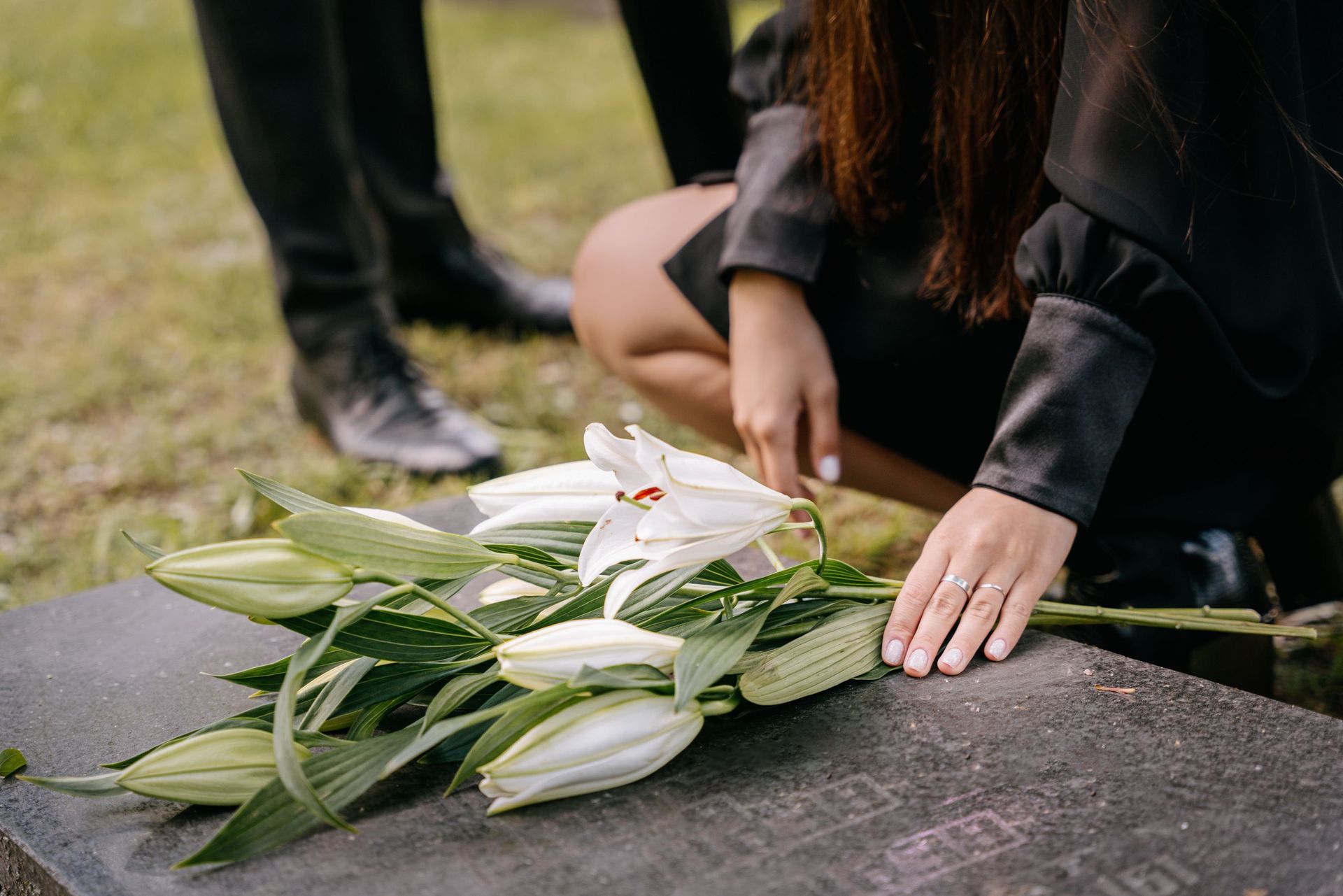
In reality, cremation offers just as many opportunities—if not more—for creating a personalized and heartfelt tribute.
If you are wondering whether you can still have a service with cremation, the answer is simple: yes. In fact, many families find that cremation provides flexibility that allows them to plan a service that truly reflects their loved one’s life.
At Ray Funeral Services, families in Three Rivers, MI, are supported in creating meaningful gatherings, whether they choose burial or cremation. The focus is always on honoring the individual and providing comfort to those left behind.
Understanding Cremation and Services
Cremation is simply a method of disposition—it refers to what happens after death, not whether a service takes place. Families can still choose to hold a visitation, funeral ceremony, memorial service, or celebration of life.
Through cremation services, families are given the flexibility to decide how and when they want to gather. This flexibility is one of the reasons cremation has become an increasingly preferred option.
The service itself can happen:
- Before cremation (with the body present)
- After cremation (with an urn or memorial display)
- Weeks or even months later, depending on family needs
Each option offers a meaningful way to honor a loved one.
Option 1: A Traditional Service Before Cremation
Some families choose to have a full, traditional-style funeral before cremation takes place. This option closely resembles a burial service and may include:
- A visitation or viewing
- A formal funeral ceremony
- Religious or cultural rituals
After the service, cremation is carried out instead of burial.
This option is often chosen by families who value the familiarity of a traditional service but prefer cremation for personal, financial, or practical reasons. It allows loved ones to gather, say goodbye, and find closure in a structured setting.
Option 2: A Memorial Service After Cremation
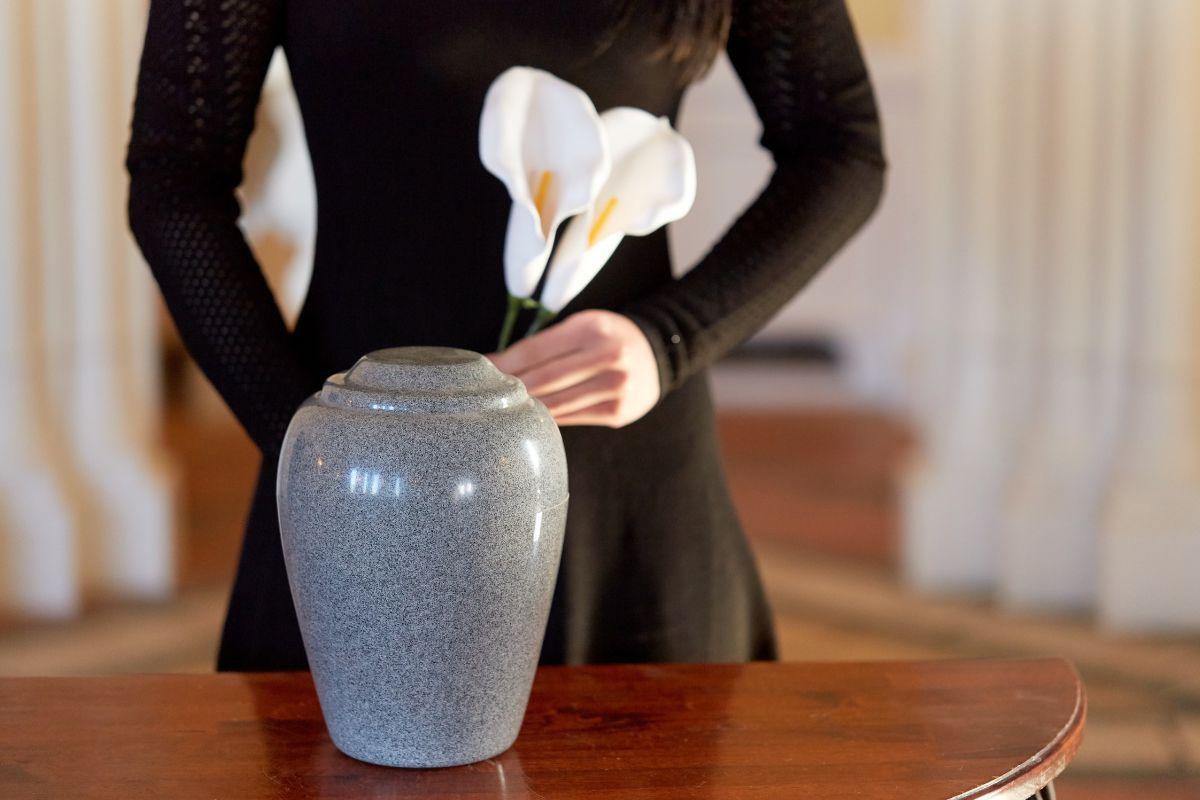
A memorial service takes place after cremation has occurred. In this case, the body is not present, but the urn or a symbolic display may be included.
Memorial services can be held in a variety of locations, such as:
- A funeral home
- A church
- A family home
- An outdoor setting that held meaning for the deceased
Because there is no immediate time constraint, families can schedule the service at a time that allows distant relatives and friends to attend.
This flexibility can make a memorial service feel less rushed and more intentional.
Option 3: A Celebration of Life
A celebration of life is a more informal and personalized gathering. While still respectful, it often focuses more on honoring the individual’s personality, achievements, and relationships.
Celebrations of life may include:
- Sharing stories and memories
- Playing favorite music
- Displaying photos and personal items
- Hosting the event in a meaningful location
This type of service can feel uplifting while still allowing space for grief. It is especially meaningful for families who want to highlight the joy and impact of their loved one’s life.
Personalization Makes the Difference
No matter which type of service you choose, personalization is what makes it meaningful. Cremation offers unique opportunities to tailor the experience in ways that feel authentic.
Through
thoughtful personalization options, families can incorporate details that reflect their loved one’s story, such as:
- Custom video tributes
- Memory tables with keepsakes
- Favorite songs or live music
- Readings or shared reflections
These elements help create a service that feels deeply personal rather than generic. They allow everyone in attendance to connect with the memories and legacy being honored.
Flexibility for Families Near and Far
One of the key advantages of cremation is flexibility. Families are not limited to a tight timeline, which can be especially helpful when coordinating with relatives who live out of town.
Delaying the service allows more people to attend and participate. It also gives families time to plan thoughtfully, rather than making quick decisions under pressure.
For many, this added time leads to a more meaningful and well-prepared tribute.
Addressing Common Concerns
Some families worry that cremation may feel less formal or less respectful than a traditional burial. In truth, the level of dignity and meaning comes from the service itself—not the method of disposition.
A cremation service can be:
- Formal or informal
- Religious or non-religious
- Large or intimate
What matters most is that it reflects the wishes of the family and honors the life of the person who has passed.
Support During an Emotional Time
Planning any type of service while grieving can feel overwhelming. Funeral directors play an important role in guiding families through their options and helping them create a meaningful experience.
From coordinating logistics to offering gentle suggestions, their support allows families to focus on what matters most—remembering their loved one and supporting one another.
Whether you are considering a traditional-style service, a memorial gathering, or something more unique, having compassionate professionals by your side can make the process feel more manageable.
A Meaningful Farewell, Your Way
Choosing cremation does not mean giving up the opportunity for a service. Instead, it opens the door to a range of possibilities that can be shaped around your family’s needs, preferences, and values.
Every life deserves to be honored in a way that feels sincere and meaningful. Whether through a formal ceremony, a quiet memorial, or a celebration filled with stories and laughter, the most important thing is that the service reflects the person you are remembering.
If you would like guidance in planning a cremation service or exploring your options, you are always welcome to reach out to our team. You do not have to navigate these decisions alone.
In the end, it is not about whether you choose burial or cremation—it is about creating a space where memories can be shared, love can be expressed, and healing can begin.