One of the most significant choices families must make is whether to choose burial or cremation. There is no universally “right” answer—only what feels most meaningful, practical, and aligned with your loved one’s wishes and your family’s values.
At
Ray Funeral Services in Three Rivers, Michigan, families are guided through these decisions with compassion and clarity. Understanding the differences between burial and cremation can help you move forward with confidence and peace of mind.
Understanding Traditional Burial
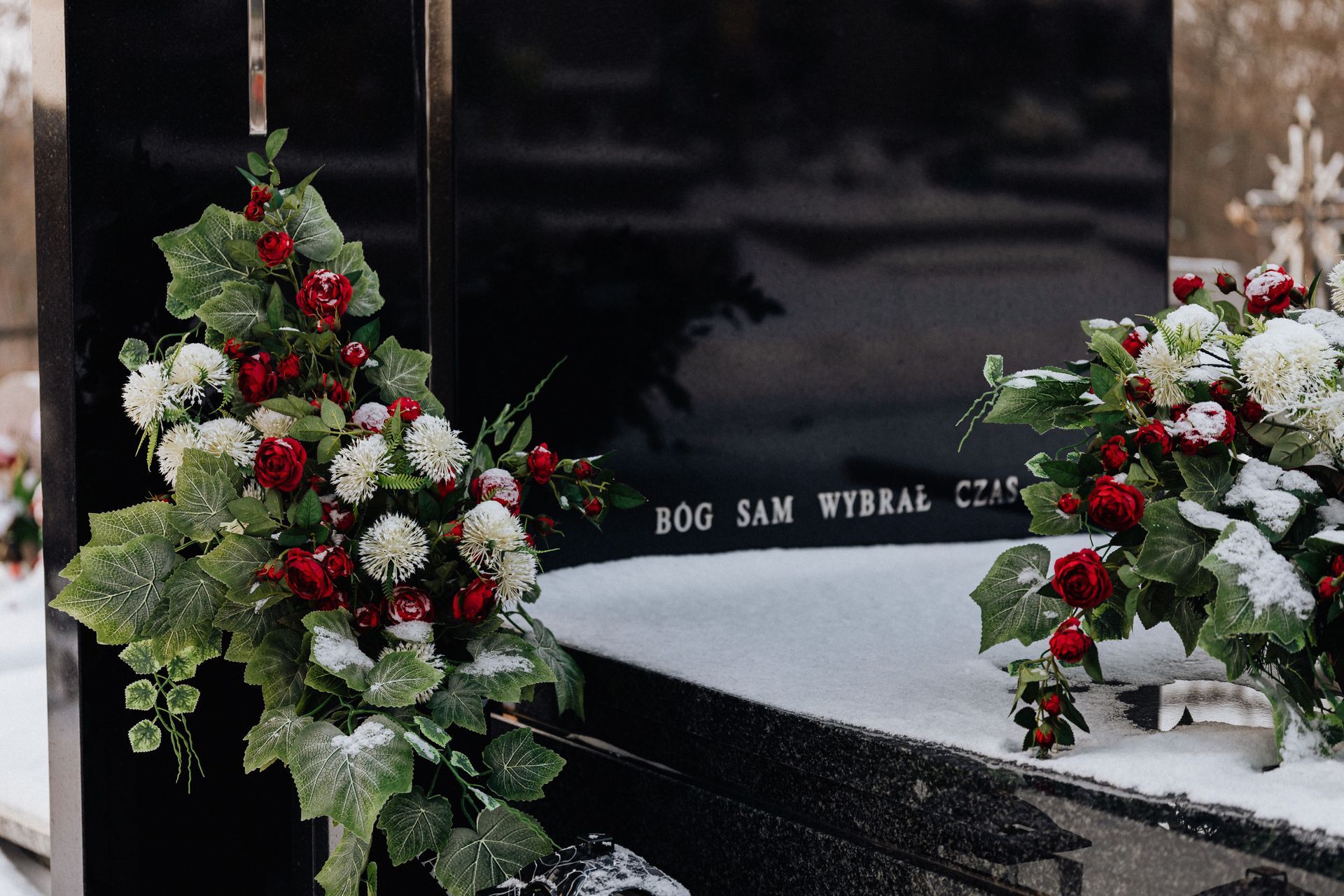
Traditional burial has long been a meaningful way for families to honor and remember a loved one. It typically includes a visitation or viewing, a funeral service, and a graveside committal at a cemetery.
For many families, burial provides:
- A physical place to visit and reflect
- The comfort of familiar traditions
- Religious or cultural continuity
- A structured time to gather and grieve together
Through traditional funeral services, families can create a ceremony that reflects faith, heritage, and personality. Visitation allows friends and extended family to offer support. A formal service gives space for prayers, readings, music, and shared memories. The graveside portion provides a final moment of closure.
Burial may be especially important for families whose religious beliefs favor interment or for those who value having a permanent, marked resting place. For some, knowing their loved one rests in a specific location brings comfort and stability in the years ahead.
However, burial does typically involve cemetery costs, a casket, vault requirements in some cemeteries, and ongoing maintenance considerations. Understanding the full scope of these details can help families make informed choices without added stress.
Understanding Cremation
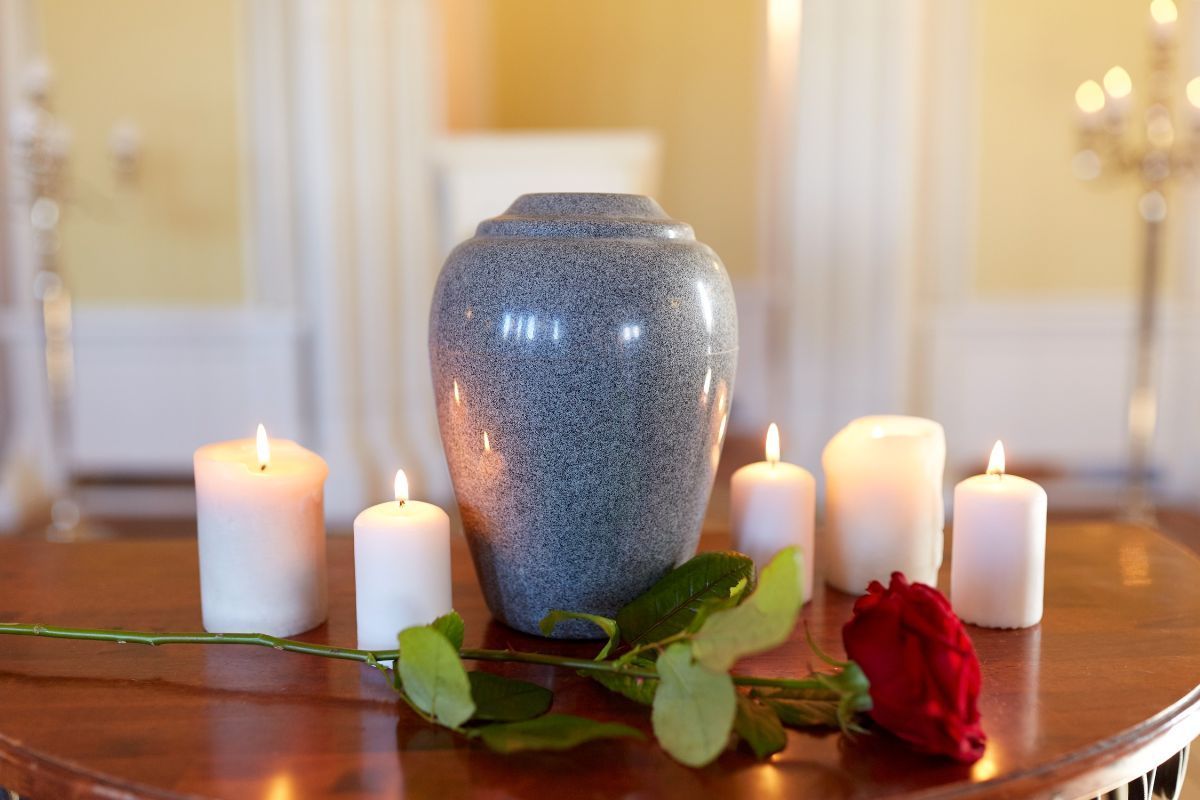
Cremation has become an increasingly chosen option for families across Michigan and the United States. It offers flexibility in how and when services are held and can accommodate a wide range of personal preferences.
With cremation services, families may still hold a visitation and funeral prior to cremation, or they may choose a memorial service afterward. Some opt for a private gathering, while others plan a larger celebration of life at a later date.
Cremation provides flexibility in several ways:
- Services can be scheduled at a time that allows distant family to travel
- Ashes may be kept, buried, or scattered according to personal wishes
- Memorialization options can be customized
- It may involve fewer immediate expenses compared to traditional burial
Choosing cremation does not mean giving up the opportunity for a meaningful ceremony. Many families still gather for heartfelt services that include music, eulogies, and rituals that reflect their loved one’s life.
For some, cremation aligns with personal beliefs about simplicity. For others, it offers practical advantages such as portability if family members live in different states.
Questions to Help Guide Your Decision
If you are unsure which path is right for your family, consider the following questions:
Did Your Loved One Express a Preference?
The most important factor is always the wishes of the person who has passed. Some individuals clearly state whether they prefer burial or cremation. If those wishes are known, honoring them can bring peace to family members.
If no preference was expressed, think about what best reflects their personality, faith, and values.
What Are Your Religious or Cultural Traditions?
Certain faith traditions have specific guidance regarding burial or cremation. If faith plays an important role in your family’s life, speaking with a clergy member may provide clarity.
How Do You Want to Remember Them?
Some families find comfort in visiting a gravesite regularly. Others prefer a more flexible form of remembrance. Consider what will provide lasting comfort in the months and years ahead.
What Are the Financial Considerations?
Both burial and cremation involve costs, though the structure of those costs differs. A funeral director can provide transparent information to help you understand available options. The goal is not to choose based solely on expense, but to make a thoughtful decision that feels sustainable for your family.
Planning Ahead Can Ease the Burden
One of the most compassionate gifts someone can give their family is to plan ahead. Making arrangements in advance removes uncertainty and relieves loved ones from having to guess about important decisions.
By exploring planning ahead, individuals can document their preferences for burial or cremation, service style, and other details. Pre-planning allows for thoughtful consideration without the pressure of immediate grief.
Families who have pre-arrangements in place often describe a sense of relief. They are able to focus on mourning and remembering, rather than navigating logistics during a painful time.
There Is No “Better” Choice—Only What Is Right for You
It is natural to wonder whether burial or cremation is the “better” option. In truth, both choices can be deeply meaningful. The right decision is the one that honors your loved one and supports your family’s emotional and spiritual needs.
Some families value the tradition and permanence of burial. Others appreciate the flexibility and simplicity of cremation. What matters most is that the service reflects love, dignity, and remembrance.
A Community Rooted in Care
Ray Funeral Services has long been part of the Three Rivers community, now guided by Lindsey and Kyle Ray’s renewed commitment to compassionate service. Their experience in funeral care, healthcare, and community involvement allows them to approach each family with understanding and professionalism.
As a
trusted funeral home service provider in Three Rivers, Ray Funeral Services offers steady guidance without pressure. Every family’s story is unique, and every decision is treated with respect.
If you are facing this decision now—or simply want to talk through your options for the future—you are welcome to reach out to our team. Having a conversation does not mean you have to decide immediately. It simply means you do not have to navigate these questions alone.