During these tender moments, funeral directors serve not only as professionals but as steady guides—offering calm direction, practical assistance, and compassionate support.
At
Ray Funeral Services, families in Three Rivers, MI, and the surrounding communities are met with genuine care and understanding. With deep roots in the area and years of experience, the team understands that no two families are alike—and no two losses feel the same.
Providing Immediate Guidance When a Death Occurs
One of the most important roles a funeral director plays happens in the first hours after a loss. Whether a death occurs at home, in a hospital, or in a care facility, families often feel uncertain about what to do next.
Funeral directors step in to:
- Coordinate transportation of the deceased
- Work with medical professionals and authorities
- Help secure the necessary documentation
- Explain the next steps clearly and patiently
In times of shock and sorrow, having someone who calmly outlines the process can ease anxiety. Families do not have to navigate unfamiliar procedures alone. Instead, they are supported by someone who understands both the emotional and logistical aspects of loss.
Helping Families Make Informed Decisions
Grief can cloud even simple decision-making. Funeral directors help families slow down and consider their options thoughtfully. Rather than pressuring families toward one path, they provide information about burial, cremation, service formats, and memorialization in a way that feels respectful and clear.
For families choosing burial, guidance through
traditional funeral services includes planning visitation, coordinating clergy or celebrants, arranging music selections, and organizing cemetery details. Funeral directors ensure each component flows together seamlessly, allowing the family to focus on remembrance rather than logistics.
If cremation is preferred, options through
cremation services can be discussed with equal care. Some families choose a memorial gathering after cremation, while others prefer a private farewell. A funeral director helps explain the differences and supports whatever decision aligns best with the family’s wishes.
Their role is not simply to present choices—it is to help families feel confident in those choices.
Handling the Details Behind the Scenes
Much of a funeral director’s work happens quietly in the background. While families gather and grieve, funeral directors coordinate countless details, including:
- Filing death certificates
- Preparing and submitting the necessary permits
- Coordinating with cemeteries or crematories
- Arranging transportation for out-of-town family members
- Preparing obituary notices
These administrative responsibilities can feel overwhelming for grieving families. By managing these tasks efficiently and professionally, funeral directors remove a significant burden during an already painful time.
Their attention to detail ensures that services unfold smoothly and respectfully.
Creating Meaningful and Personalized Services
Every life has a story worth honoring. Funeral directors help families move beyond a standard template to create a tribute that reflects who their loved one truly was.
Through thoughtful
personalization options, families can incorporate elements that feel authentic—favorite music, memory displays, custom video tributes, meaningful readings, or even themes that reflect hobbies and passions.
Personalization transforms a service from a formal event into a heartfelt remembrance. It allows guests to connect with shared memories and celebrate a life well lived.
Funeral directors listen carefully to stories families share. In those conversations, they often find the small details that become powerful moments during a service—a favorite song played softly in the background, a display of gardening tools for someone who loved tending their yard, or photographs capturing decades of laughter.
These details matter.
Offering Emotional Support Alongside Professional Care
While funeral directors are trained in logistics and procedures, they are also deeply aware of the emotional weight families carry.
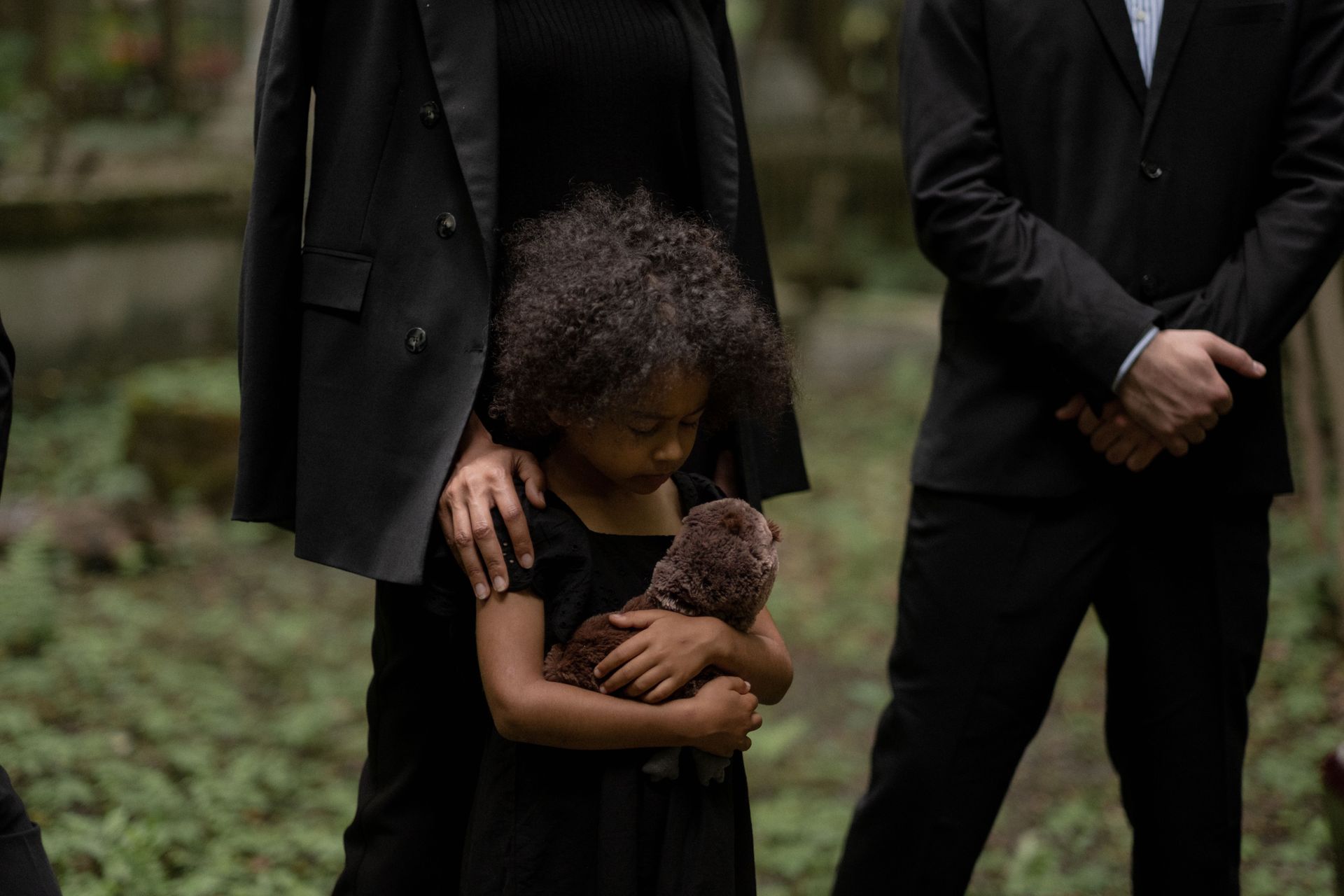
Sometimes support looks like quietly listening. Other times, it means reassuring a family member who feels unsure about a decision. It may involve guiding children gently through what to expect at a service or helping extended family members navigate disagreements with sensitivity.
Funeral directors often witness raw grief—tears, silence, confusion, and even moments of frustration. Their calm presence provides stability when emotions feel overwhelming.
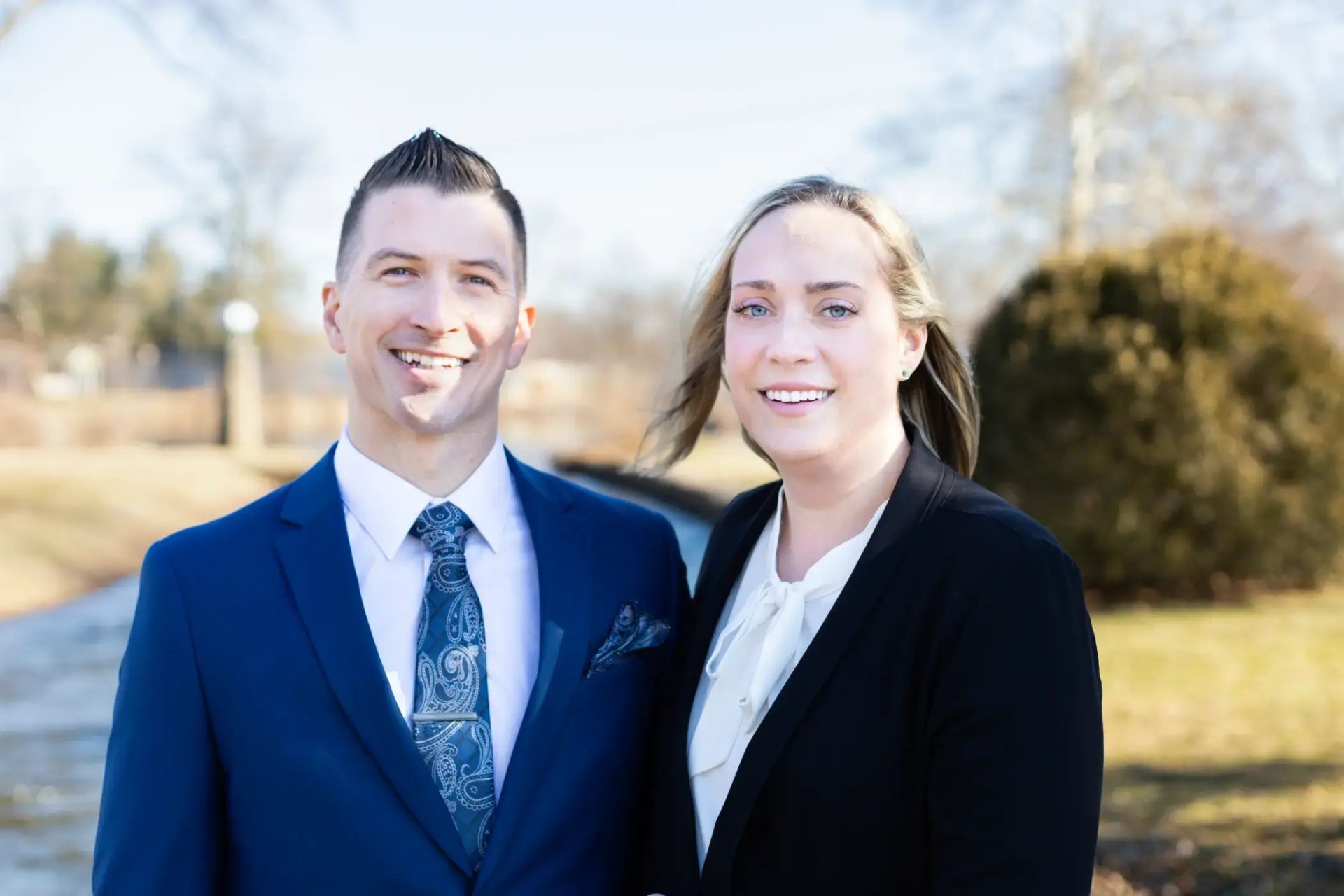
Because Lindsey Ray brings more than 16 years of funeral service experience to her role, and Kyle Ray’s background in healthcare offers additional perspective on caring for families during vulnerable moments, families in Three Rivers benefit from leadership rooted in both professional expertise and heartfelt compassion.
Supporting Families Beyond the Service
A funeral does not mark the end of grief. In many ways, it marks the beginning of a new chapter—one that families must learn to navigate without their loved one.
Funeral directors understand that their care does not end when the service concludes. They remain available to answer questions about memorialization, assist with additional documentation, or simply provide guidance in the days that follow.
Many families find comfort in knowing they can call with concerns even after the formal arrangements are complete.
A Steady Presence in the Community
Funeral directors who live and serve within their community bring a deeper level of understanding to their work. Being connected to local churches, civic organizations, healthcare providers, and families allows them to approach each service with familiarity and respect.
Ray Funeral Services carries forward a long-standing presence in Three Rivers while embracing renewed dedication under Lindsey and Kyle Ray’s ownership. Their involvement in local organizations and commitment to community values strengthen the care they provide.
Families are not treated as appointments on a calendar. They are neighbors, friends, and fellow members of the community.
Why the Role of a Funeral Director Matters
In times of loss, families need more than a checklist—they need guidance, compassion, and professionalism working together.
Funeral directors help by:
- Bringing clarity to complex decisions
- Managing logistics and legal requirements
- Creating meaningful, personalized tributes
- Offering steady emotional support
- Ensuring dignity at every step
Their work often goes unseen, yet its impact is deeply felt.
If you are facing a loss or simply want to understand your options in advance, you are welcome to
contact our team. A conversation can provide reassurance and clarity, even if you are not ready to make immediate decisions.
During life’s most difficult moments, having a compassionate professional by your side can make all the difference. Funeral directors do more than arrange services—they help families find steadiness, meaning, and comfort when it is needed most.