While the idea of pre-planning a funeral may feel unfamiliar or even daunting at first, the process is actually straightforward and deeply personal. With the guidance of a compassionate funeral provider, individuals can walk through each step at their own pace, making thoughtful choices that reflect their values, beliefs, and wishes. Understanding how pre-planning works can help demystify the process and empower more people to take this loving step for themselves and their families.
The First Conversation
Every pre-planning journey begins with a conversation. This initial meeting, often held at the funeral home or sometimes in the comfort of one's own home, is a chance to discuss what pre-planning involves, ask questions, and begin exploring options. There is no obligation during this first conversation, and individuals are encouraged to take their time learning about what is possible.
A funeral director will typically guide the discussion, explaining the various services available, the differences between burial and cremation, and the range of personalization options that can make a service truly meaningful. This is also an opportunity to share personal preferences, family traditions, religious or cultural considerations, and any specific ideas the individual has in mind. The tone of this first meeting is informational and supportive, never high-pressure or rushed.
Choosing Between Burial and Cremation
One of the foundational decisions in any pre-planning conversation is whether to choose burial or cremation. Both options carry their own customs, costs, and considerations, and there is no universally right choice. The decision often comes down to personal beliefs, family traditions, financial preferences, and practical considerations such as where one would like their final resting place to be.
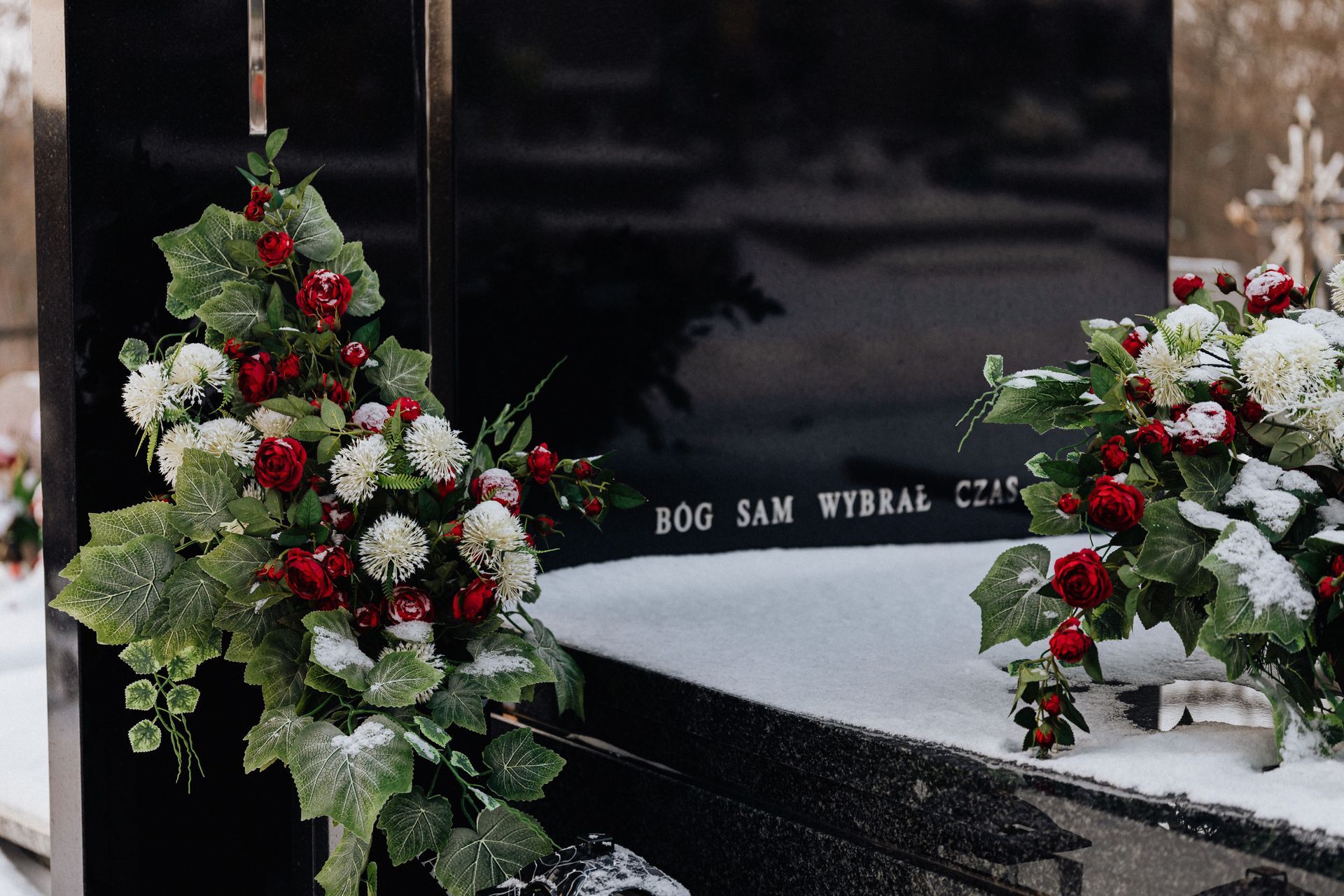
For those who choose burial, additional choices include the cemetery, the type of casket, the burial vault, and the headstone or marker. Those who choose cremation services will discuss whether they prefer a memorial service before or after cremation, the type of urn, and what should be done with the ashes. Some families divide ashes among loved ones, scatter them in a meaningful location, or keep them in a cherished display at home. Each option carries its own beauty and significance.
Designing the Service Itself
Once the foundational decisions are made, the next step is designing the service itself. This is often the most personal and creative part of pre-planning, as it allows individuals to envision how they would like to be remembered and what kind of atmosphere they want for their loved ones.
Decisions during this stage can include the location of the service, the music to be played, the readings or prayers to be shared, who will be invited to speak, and how the gathering should be structured. Some people prefer formal, traditional services, while others want celebrations of life that feel joyful and reflective of their personality. Choosing
meaningful personalization
elements such as photo displays, themed décor, or specific keepsakes for guests can make the service feel deeply authentic.
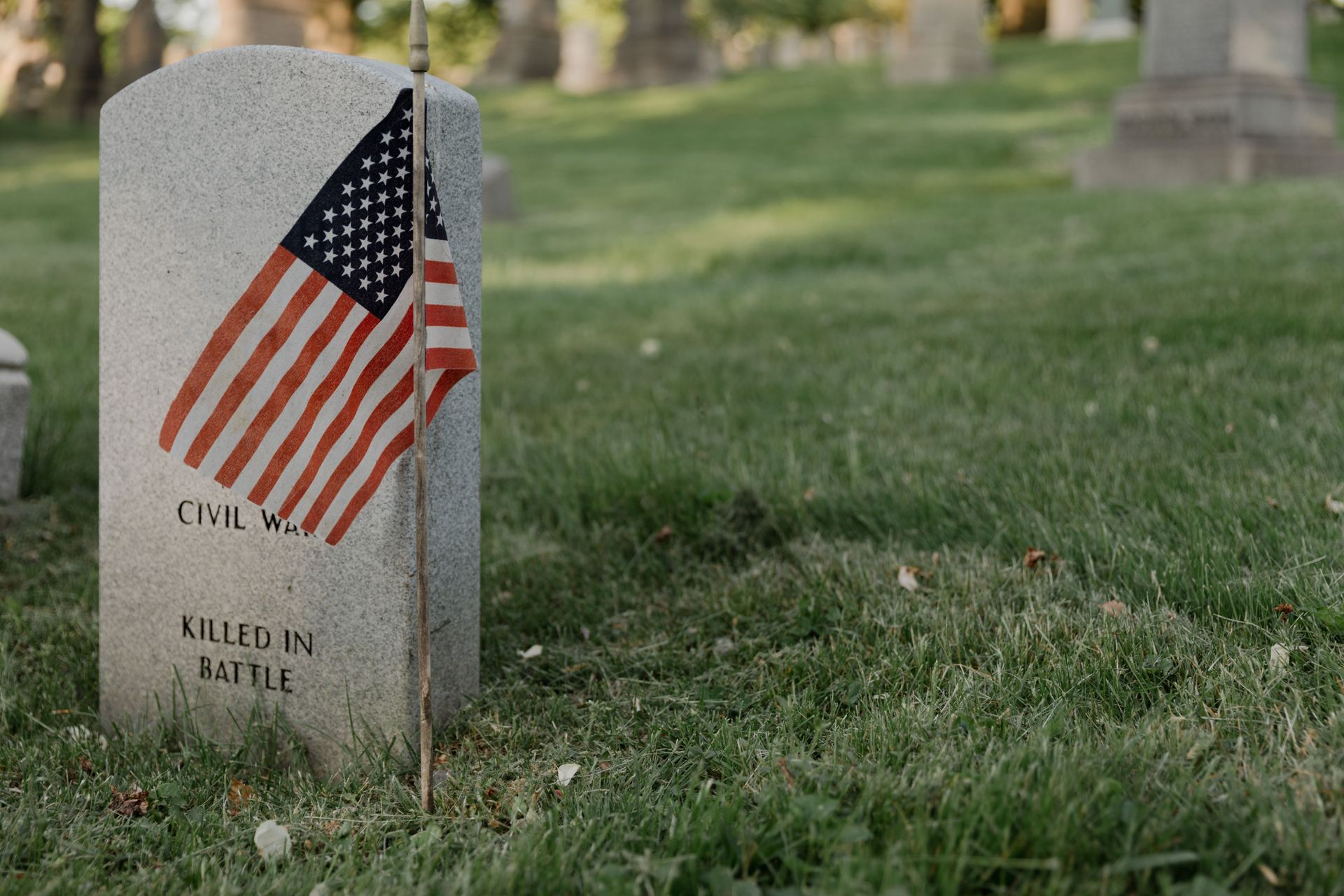
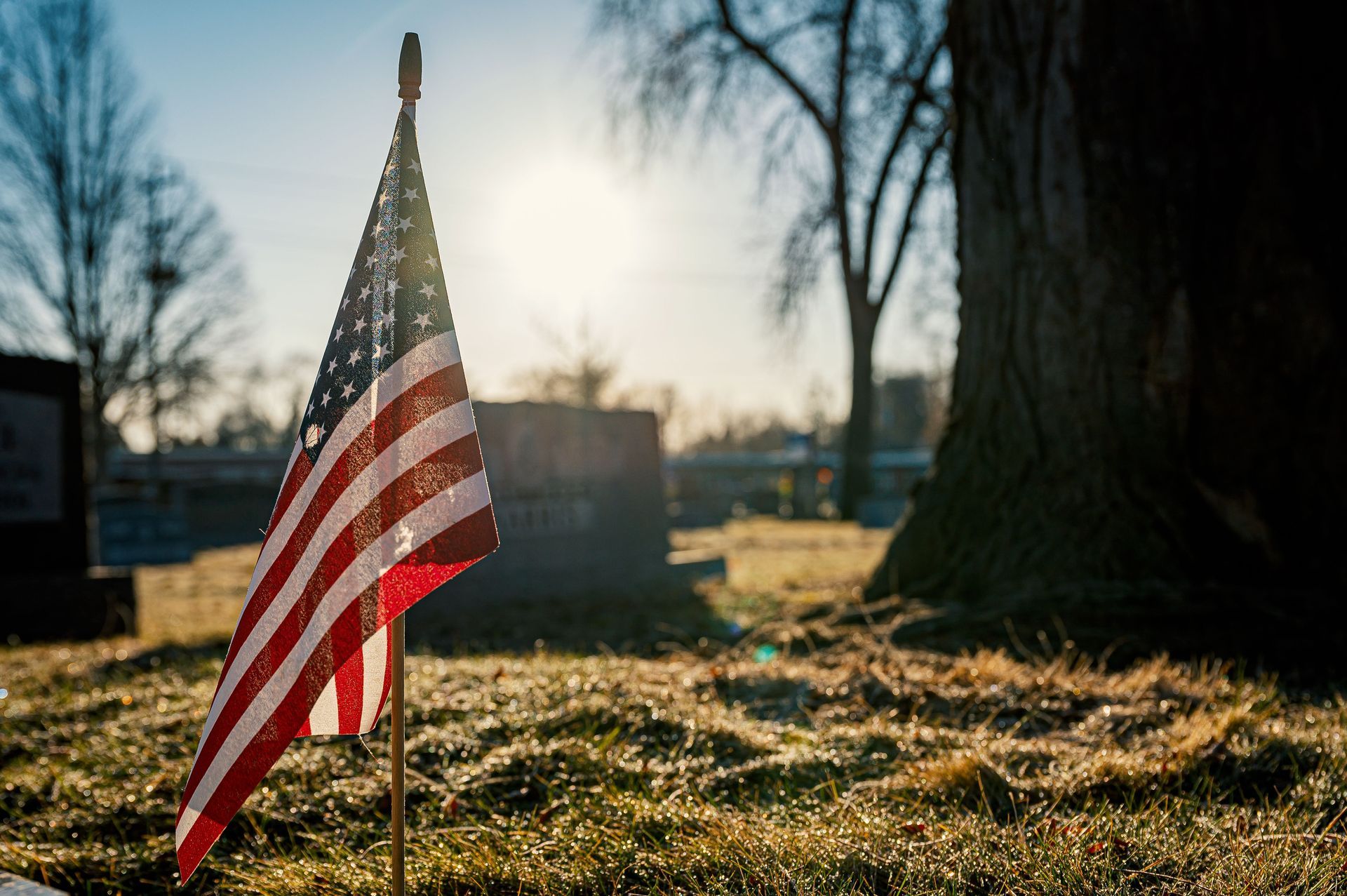
For those with military service, pre-planning also offers the opportunity to ensure that proper honors are included. From flag presentations to specific elements of veteran services, every detail can be arranged in advance so that loved ones do not need to navigate the process during a time of grief.
Documenting Wishes in Writing
Once all decisions have been made, the funeral home will document everything in a formal pre-planning record. This document serves as a comprehensive guide that captures every detail of the planned service, from the type of casket or urn to the specific songs to be played. The record is kept on file at the funeral home and updated whenever changes are needed.
Many funeral providers also offer copies of the documentation to the individual and to designated family members, ensuring that everyone is on the same page. Some people choose to share the full plan with their loved ones, while others prefer to keep the details private and simply let family know that arrangements have been made. Either approach is valid, and the choice depends on what feels most comfortable.
Understanding the Financial Side
A major part of pre-planning involves deciding how to handle the financial aspect. There are several options available, and a funeral director can walk through each one to help individuals choose what works best for their situation.
Pre-payment is one common approach. This involves paying for the planned services in advance, either as a lump sum or through installment payments. The funds are typically placed in a trust or used to purchase a funeral-specific insurance policy, ensuring that the money is protected and available when needed. Pre-payment also locks in current pricing, providing protection against future inflation.
Some individuals choose to document their wishes without pre-paying, leaving the funds to be set aside or insured through other means. Others use existing life insurance policies, retirement accounts, or designated savings to cover future expenses. Whatever the approach, the goal is to ensure that financial preparation aligns with the documented plan so that loved ones are not burdened with unexpected costs.
Reviewing and Updating Plans Over Time
Life changes, and pre-planning documents should evolve along with it. Major life events such as moving to a new community, the birth of grandchildren, changes in religious or spiritual beliefs, or shifts in personal preferences may all warrant updates to the original plan. Reviewing the documentation every few years ensures that everything remains current and reflective of one's wishes.
Funeral providers welcome these updates and make the process easy. A quick conversation or meeting is usually all that is needed to adjust specific elements, and the documentation can be revised accordingly. This flexibility is one of the great advantages of pre-planning, as it allows individuals to refine their plans over time without starting from scratch.
Sharing the Plan With Loved Ones
Once a pre-planning arrangement is in place, sharing the details with family members can be one of the most meaningful steps in the process. Loved ones should know that arrangements have been made, where important documents are kept, and how to reach the funeral home when the time comes. These conversations can feel difficult to start, but they often bring families closer together and open the door to deeper discussions about life, legacy, and values.
Some individuals choose to walk family members through the full plan, explaining the reasoning behind specific choices. Others simply share the key information and let loved ones know that detailed documentation is on file. Either way, ensuring that family is aware of the plan prevents confusion and ensures that wishes are honored exactly as intended.
When the Time Comes
When the eventual need arises, the family contacts the funeral home, and the pre-planning documentation guides the entire process. Because every decision has already been made, loved ones are spared the stress of choosing between options under emotional pressure. They can simply confirm the plan and trust the funeral team to bring it to life with care and attention to detail.
This continuity is one of the greatest gifts of pre-planning. Family members experience the service unfolding exactly as their loved one envisioned, without the second-guessing or financial worry that often accompanies last-minute arrangements. They are free to grieve, gather with loved ones, and celebrate the life that was lived.
Taking the First Step
Beginning the pre-planning process is often easier than people expect. A simple phone call or visit to a trusted funeral home is all it takes to start the conversation. There is no commitment required upfront, only the opportunity to learn, ask questions, and explore what feels right. Many people walk away from their first meeting feeling lighter and more empowered, having taken a meaningful step toward protecting their family's future. Learning more about planning ahead can transform what once felt like an uncomfortable topic into one of the most loving decisions a person can make.
Guidance From a Team You Can Trust
Pre-planning is a deeply personal journey, and choosing the right funeral provider to walk alongside you makes all the difference. The compassionate team at Ray Funeral Services is dedicated to helping individuals and families in Three Rivers and the surrounding communities navigate this process with patience, care, and respect. Lindsey and Kyle Ray understand that every life is unique, and they are committed to creating plans that honor each individual's wishes with the dignity they deserve. Whenever you are ready to begin exploring your options, please feel welcome to reach out to our team.