
What Happens If No Funeral Arrangements Were Made?
When a loved one passes away without having made any funeral arrangements in advance, families often find themselves facing a wave of decisions during one of the most emotionally difficult times of their lives. From choosing between burial and cremation, to determining the type of service, to figuring out how to pay for it all, the responsibility can feel overwhelming. While pre-planning is always the ideal path, life does not always allow for that kind of preparation. Understanding what happens when no arrangements have been made can help families navigate the process with greater clarity, confidence, and support.
The Immediate Aftermath
In the hours following a death, the first priority is contacting the appropriate authorities depending on the circumstances. If the death occurred at home under hospice care, the hospice team will typically handle initial procedures. If the death was sudden or unexpected, emergency services must be called and may involve law enforcement or a medical examiner. If the death occurred in a hospital or care facility, the staff will guide the family through initial steps.
Once the death has been officially pronounced, the family will need to select a funeral home to take their loved one into care. This is often the first major decision families face when no arrangements have been made, and it can feel daunting to choose a provider under such emotional circumstances. Families experiencing an immediate need can reach out to a funeral home at any hour, and a compassionate funeral director will begin walking them through what to expect from that very first phone call.
Deciding Who Makes the Decisions
When there are no pre-planned arrangements or written instructions, decisions typically fall to the next of kin. In Michigan, the order of authority generally follows the surviving spouse, then adult children, then parents, then siblings, and so on. If the deceased left behind a designated funeral representative through legal documentation, that person is empowered to make the arrangements regardless of family relationship.
Families are encouraged to communicate openly and try to reach consensus, especially when multiple relatives are involved. It can be helpful to designate one primary point of contact with the funeral home to streamline communication and prevent conflicting instructions. When families work together with mutual respect and a shared focus on honoring their loved one, the process becomes far more manageable.
Making Initial Choices About the Service
Once a funeral home is selected, the family will begin making a series of decisions about how to honor their loved one. The first foundational choice is typically whether to proceed with burial or cremation. Each option carries its own considerations, and there is no universally right answer. Family members are encouraged to think about what would have felt most meaningful to their loved one, what fits within their religious or cultural traditions, and what feels most appropriate for their circumstances.
For families who choose burial, additional decisions include the cemetery, casket, and burial vault. For those who choose cremation services, choices include whether to hold a service before or after cremation, the type of urn, and what to do with the ashes. A patient funeral director will explain each option clearly and help families make choices that feel right, without rushing or pressuring them.
Choosing the Type of Service
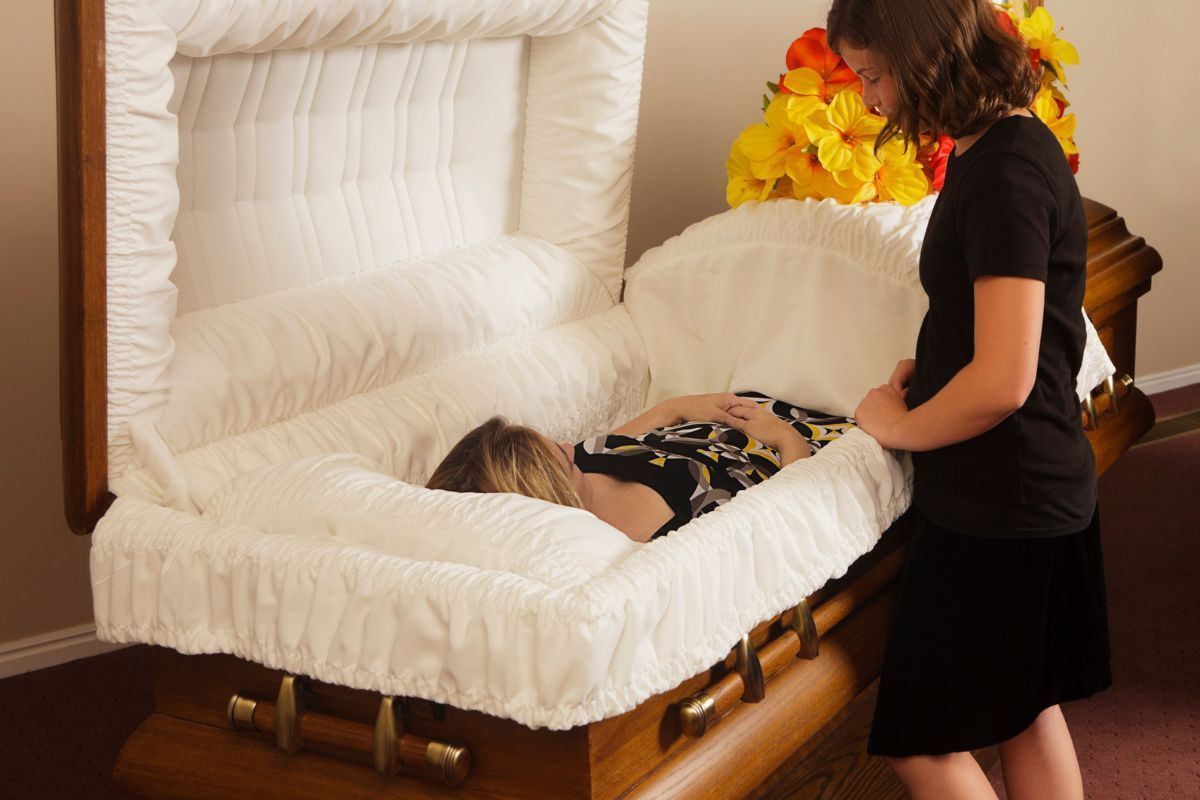
Beyond the burial or cremation decision, families must also decide what kind of service to hold. Traditional funerals typically take place within a few days of the death and include a viewing or visitation followed by a ceremony. Memorial services can be held at a later time and offer greater flexibility, which is especially helpful when relatives need time to travel or when the family simply wants more time to plan a thoughtful tribute.
Some families choose to blend elements of both approaches, holding a small private service immediately followed by a larger celebration of life at a later date. Others opt for graveside services only or private family gatherings. There is no single right way to honor a loved one, and a compassionate funeral team will help families explore all their options.
Navigating the Financial Side
One of the most challenging aspects of arranging a funeral without prior planning is the financial reality. Without pre-paid arrangements in place, families must find ways to cover the costs, which can range from a few thousand dollars for direct cremation to well over ten thousand dollars for a traditional burial service.
Families typically explore several sources of funds. Life insurance policies are often the most common resource, though it can take weeks for a claim to be processed and paid. Some families use savings or ask relatives to contribute. Others take advantage of pre-need funeral loans or payment plans offered by some funeral homes. For those who are experiencing significant financial hardship, there are also assistance programs available through Social Security, veteran benefits, and in some cases county assistance programs.
An experienced funeral director will discuss all available options transparently, help families understand pricing at every step, and work within their budget to create a meaningful service. Federal law requires funeral homes to provide a General Price List so families can make informed decisions.
Handling Documentation and Legal Matters
Without prior arrangements, the paperwork associated with a death can feel especially overwhelming. The death certificate must be filed, government agencies must be notified, and estate matters must eventually be addressed. Funeral homes typically handle the death certificate filing process and can help order the multiple certified copies families will need for various administrative tasks.
Additional matters such as notifying the Social Security Administration, closing bank accounts, canceling subscriptions, and handling estate issues will need to be addressed in the weeks and months that follow. Families often benefit from consulting with an attorney to navigate the probate process, especially when there is no will or when the estate is complex.
Personalizing the Service Under Time Pressure
Even without prior planning, families can still create a service that beautifully honors their loved one's life. Personal touches such as displaying photographs, choosing meaningful music, sharing stories during the service, and incorporating symbols of the person's passions and beliefs can all be arranged relatively quickly with the help of a caring funeral team.
The key is communicating what mattered most to the deceased and to the family. A skilled funeral director will ask thoughtful questions to draw out the details that will shape a meaningful tribute. Thoughtful personalization does not require weeks of planning. Even in a compressed timeframe, families can create services that feel authentic and deeply reflective of who their loved one was.
Addressing Special Considerations
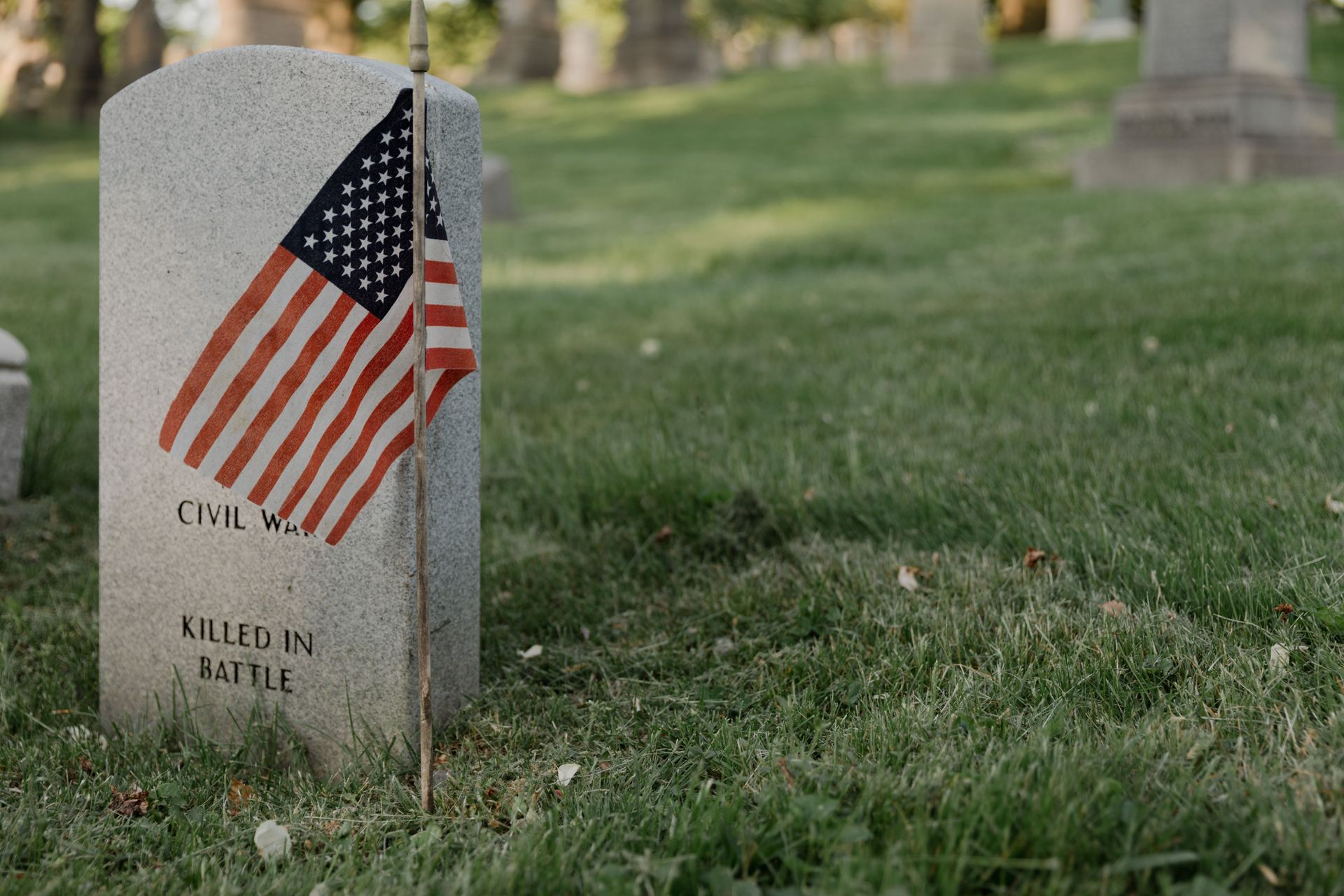
Certain circumstances may add complexity to arrangements when no plans have been made. Veterans, for example, are entitled to specific benefits including burial in a national cemetery, military honors, and government furnished markers. If the family is unaware of the veteran's service history or does not know how to access these benefits, a funeral home experienced in coordinating these matters can help ensure that nothing is overlooked.
Similarly, individuals with specific religious or cultural traditions may require particular arrangements that must be honored. Funeral directors familiar with a wide range of traditions can guide families through the appropriate elements and connect them with the right officiants or community resources.
The Emotional Weight of Unplanned Arrangements
Beyond the practical challenges, arranging a funeral without prior planning carries a distinct emotional weight. Family members often struggle with wondering whether their choices align with what their loved one would have wanted. Some feel guilt over decisions made under pressure or disagree with other relatives about the right approach. These feelings are natural and understandable.
A compassionate funeral team can offer reassurance and guidance during these moments. Reminding families that there is no perfect way to honor a life and that the most important thing is to gather in love and shared memory can help ease some of the emotional burden. In many cases, the very act of coming together to plan a meaningful service becomes a source of healing.
The Value of Planning Ahead for the Future
While the current situation may not have allowed for pre-planning, going through this experience often inspires families to think about their own arrangements. Watching how much work goes into planning a service under time pressure motivates many people to spare their own loved ones from the same experience. Learning more about planning ahead and taking even small steps to document wishes can be one of the most meaningful gifts a person can leave for their family.
Compassionate Guidance When It Is Needed Most
Arranging a funeral without prior plans is challenging, but no family has to face it alone. With the guidance of a caring and experienced funeral team, every decision can be made thoughtfully, every question can be answered, and every detail can be handled with the dignity a loved one deserves.
If your family is currently navigating the loss of a loved one and needs support in creating meaningful arrangements, the team at Ray Funeral Services is here to help. Lindsey and Kyle Ray bring deep experience and heartfelt care to every family they serve in Three Rivers and the surrounding communities. Whether you need immediate assistance or simply want to talk through your options, please feel welcome to reach out at any time.
Recent Posts