How Funeral Homes Assist With Veteran Services
When a veteran passes away, families are often faced with the challenge of navigating not only their grief but also the complex process of arranging a service that properly honors their loved one's military legacy. Veteran benefits, military honors, and specific ceremonial elements all require coordination with various agencies and organizations, and the details can feel overwhelming to families who are unfamiliar with the system. This is where an experienced funeral home becomes an invaluable partner. From the very first phone call to the moment the folded flag is placed in a loved one's hands, funeral professionals play a central role in ensuring that every aspect of a veteran's service is handled with care, precision, and respect.
The First Steps After a Veteran Passes
When a family calls a funeral home to report the passing of a loved one who served in the military, one of the first questions asked is about the individual's service history. This information is critical because it opens the door to a range of benefits, honors, and coordination efforts that must begin immediately.
The funeral director will ask for basic details such as the branch of service, dates of service, rank, and whether the veteran was honorably discharged. Families are also asked to locate the DD Form 214, which is the official record of military service and the key document needed to access most veteran benefits. If the form cannot be found, the funeral home can help the family request a copy from the National Personnel Records Center, a process that would otherwise be difficult to navigate alone.
For families experiencing an immediate need, having a funeral team that immediately recognizes the significance of military service and knows exactly what steps to take can bring tremendous relief during the earliest and most disorienting hours of loss.
Coordinating Military Honors
One of the most meaningful aspects of a veteran's service is the rendering of military funeral honors. This ceremony includes the folding and presentation of the United States flag along with the playing of Taps, and depending on the branch and availability of personnel, may also include additional elements such as a rifle salute.
Coordinating these honors requires direct communication with the appropriate military branch, and each branch has its own procedures and points of contact. Funeral homes maintain established relationships with military honor guards and know exactly how to initiate the request process. They also handle the logistical details such as confirming the date and time of the service, ensuring proper setup at the venue, and communicating with the honor guard team about specific family preferences.
For families, the ability to trust that these arrangements are being handled properly means they can focus on being present at the service rather than worrying about coordination. When the honor guard arrives and the ceremony unfolds with precision, it is often the result of careful behind the scenes work by the funeral team.
Facilitating Burial Benefits
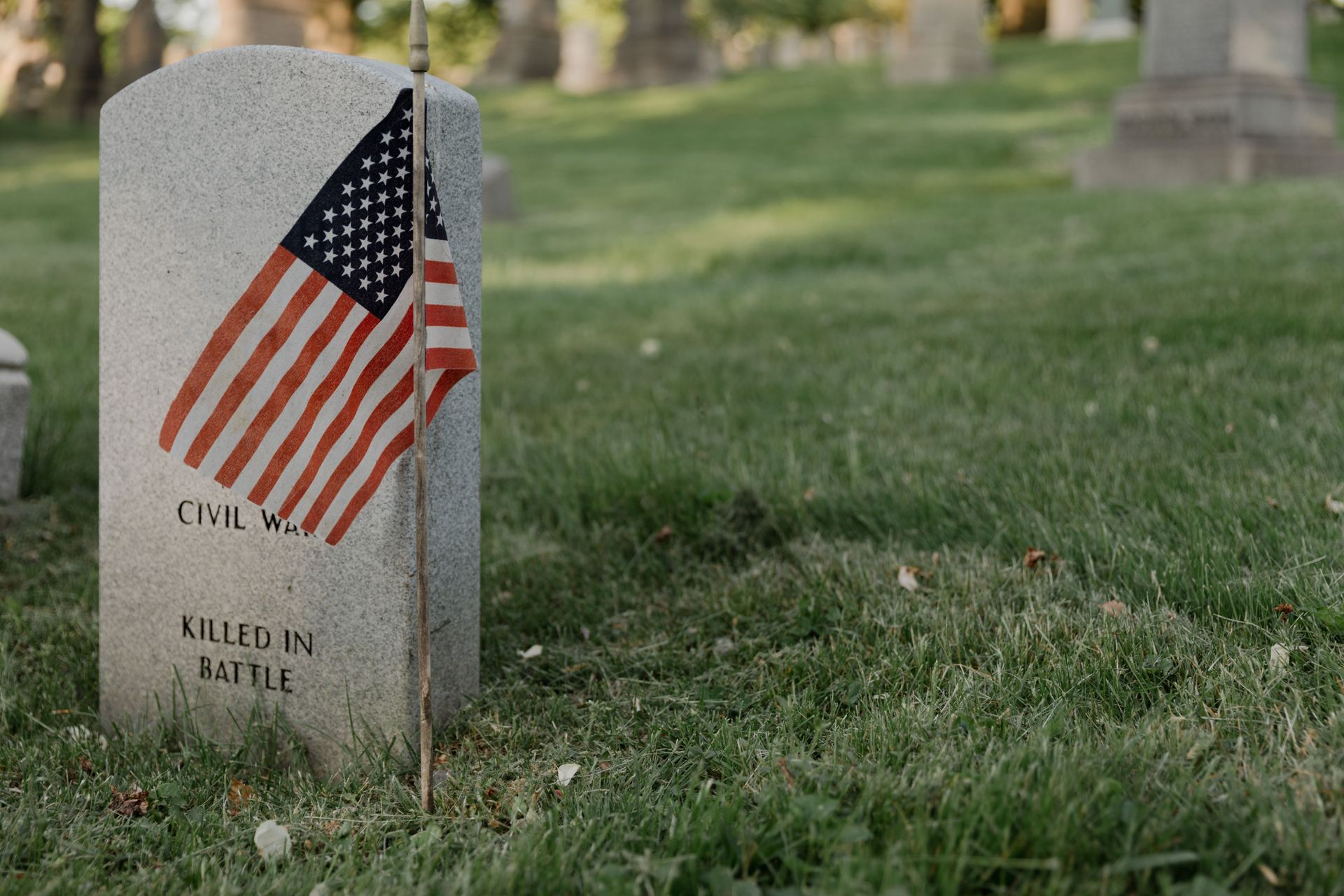
Veterans and their eligible dependents may qualify for burial in a national cemetery at no cost. This benefit includes the gravesite, opening and closing of the grave, perpetual care, a government headstone or marker, and a burial flag. However, accessing this benefit requires proper documentation and coordination with the cemetery.
Funeral homes work directly with national cemeteries such as Fort Custer National Cemetery in Augusta, Michigan, to verify eligibility, schedule the interment, and handle all necessary paperwork. They coordinate the transportation of the deceased to the cemetery and ensure that everything is prepared for the burial to proceed smoothly. This includes any specific requirements the cemetery may have and confirming that all documentation is in order.
For families who prefer burial in a private cemetery, funeral homes can still help access certain veteran benefits, including government furnished headstones or medallions that recognize military service. Comprehensive veteran services provided by experienced funeral homes ensure that no available benefit is overlooked, regardless of where the veteran is laid to rest.
Handling the Paperwork
The paperwork involved in accessing veteran benefits can be extensive, and each form has specific requirements that must be met precisely. Funeral homes are experienced in completing and submitting these documents on behalf of families, taking a significant administrative burden off their shoulders during an already difficult time.
Some of the paperwork commonly handled includes applications for burial allowances, requests for military honors, applications for headstones or markers, and requests for Presidential Memorial Certificates. Each of these processes has its own timeline and requirements, and funeral professionals know how to ensure that everything is submitted correctly and on time.
Families are typically walked through each form before signing, with clear explanations of what each document accomplishes. This transparency helps families feel informed and involved without becoming overwhelmed by the details.
Incorporating Military Elements Into the Service
Beyond the formal honors provided by the military, families often wish to incorporate additional elements that reflect their loved one's service. This might include displaying photographs from their time in uniform, showing medals and decorations, playing branch specific music, or inviting fellow veterans to share memories during the service.
Funeral homes work closely with families to bring these ideas to life. Whether that means arranging a shadow box display, coordinating with veteran organizations for a color guard, or setting up a memory table filled with meaningful items, the funeral team helps translate the family's vision into a fitting tribute. Thoughtful personalization ensures that the service reflects not only the veteran's military service but also the full scope of who they were as a person, spouse, parent, friend, and community member.
Supporting Veterans Organizations and Community Participation
Many veterans were active members of organizations such as the American Legion, Veterans of Foreign Wars, or various branch specific associations. These organizations often wish to participate in the services of their fallen members, offering their own ceremonial elements, honor guards, or memorial contributions.
Funeral homes coordinate with these groups to ensure their participation is seamlessly integrated into the service. This might involve scheduling specific times for organizational rituals, arranging space for organizational members to gather, or coordinating with post commanders about specific traditions the family wishes to include.
This kind of community involvement often means a great deal to families, as it reinforces the bond that veterans shared with their fellow service members and the ongoing recognition of their legacy within the broader veteran community.
Assisting Surviving Family Members
The support a funeral home provides to a veteran's family often extends well beyond the service itself. Surviving spouses and dependents may be eligible for a range of ongoing benefits, and funeral homes can point families toward the resources they need to explore these options fully.
This might include providing contact information for local veterans service officers, sharing details about the Dependency and Indemnity Compensation program, or explaining how to access ongoing healthcare benefits through programs like CHAMPVA. While the funeral home does not directly handle these ongoing matters, connecting families with the right resources ensures they know where to turn for continued support.
Planning Ahead for a Veteran's Service
For veterans and their families who wish to prepare in advance, funeral homes offer pre-planning services that can document specific wishes for military honors, cemetery preferences, and other service elements. This kind of preparation ensures that when the time eventually comes, everything is already in place and loved ones can focus on honoring their veteran without navigating decisions under pressure.
Pre-planning also provides an opportunity to gather and organize important documents such as the DD Form 214, marriage certificates, and other paperwork that will be needed. Taking the time to focus on planning ahead gives veterans peace of mind knowing their service will be honored exactly as they wish and their families will not have to search for critical documents during a moment of grief.
A Partnership Built on Respect
The relationship between a funeral home and a veteran's family is built on mutual respect and a shared commitment to honoring service. From the moment the first call is made until well after the service has concluded, funeral professionals stand alongside families as advocates, guides, and compassionate supporters. Their experience in navigating the systems, procedures, and traditions associated with veteran services allows families to focus on what matters most, which is coming together to honor a life dedicated to something greater than oneself.
Honoring Every Service With Care
The men and women who served our country deserve funeral services that reflect the dignity and gravity of their commitment. A trusted funeral home ensures that every honor is rendered, every benefit is accessed, and every meaningful detail is incorporated with the precision and respect these lives deserve.
If your family is preparing to honor a veteran or wants to learn more about how a funeral home can assist with the many aspects of a military service, the compassionate team at Ray Funeral Services is here to help. Lindsey and Kyle Ray have experience coordinating every element of veteran services, from paperwork to military honors, and are deeply committed to serving the families of Three Rivers and the surrounding communities with the respect their loved ones have earned. Whenever you are ready to begin the conversation, please feel welcome to reach out to our team.
Recent Posts