How Long After Death Can a Funeral Be Held?
When a loved one passes away, one of the first practical questions families ask is when the funeral should take place. In popular imagination, funerals often happen within just a few days of a death, but the reality is more flexible than many people realize. There is no single legal timeline that requires families to hold a service by a certain point, and the choice of when to gather is influenced by a range of factors including religious traditions, family logistics, whether burial or cremation is chosen, and personal preferences. Understanding what shapes this timing can help families make thoughtful decisions during a difficult moment.
The Traditional Timeline
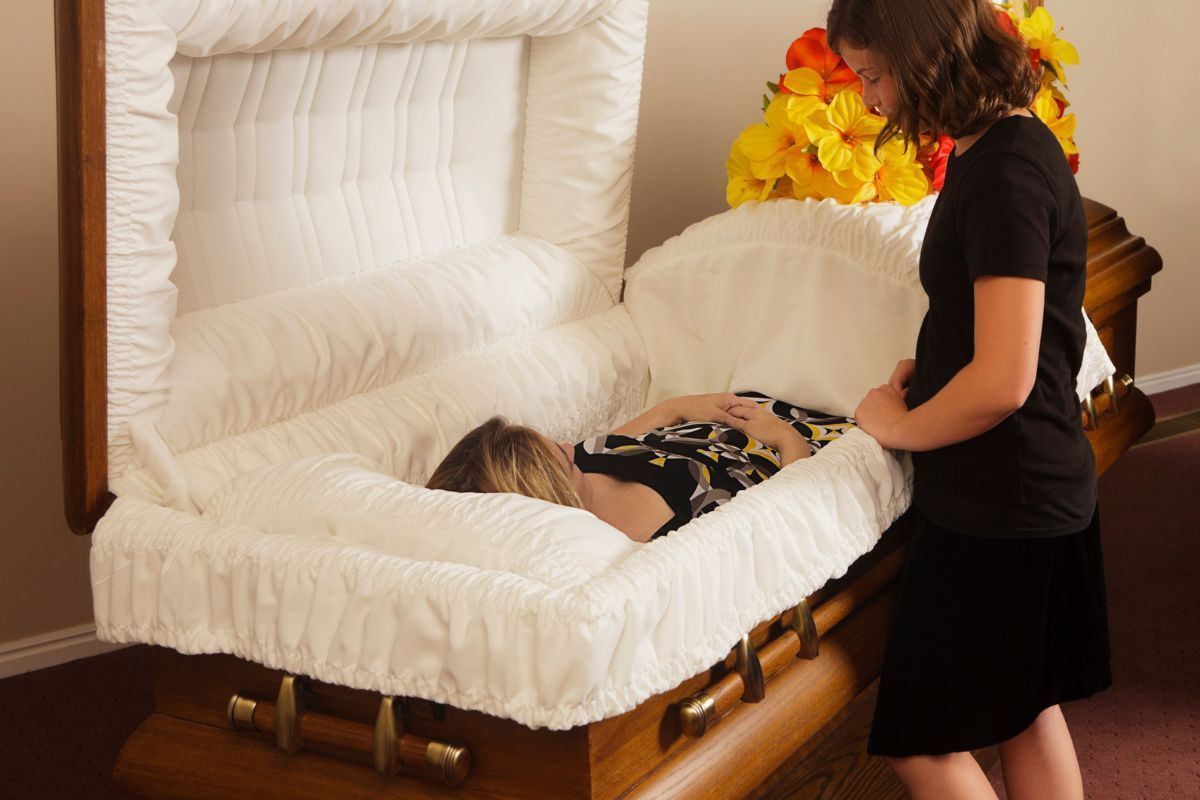
Historically, funerals in the United States have typically been held within three to seven days after a death. This timeframe developed for several practical reasons. Before modern preservation methods were widely available, holding a service quickly was necessary to allow for a viewing before natural changes occurred. Even today, many families choose to hold services within this window because it aligns with the immediate emotional response to loss and allows loved ones to move through the initial phase of grief within a defined structure.
This traditional timeline is often associated with traditional services that include visitation, a formal ceremony, and burial. Families who choose this path often appreciate the clear sense of movement it provides, helping them transition from the shock of loss to the beginning of ongoing grief and healing.
Why Some Families Wait Longer
While the traditional timeline works well for many families, others find that they need more time before holding a service. There are several common reasons for extending the timeline.
Travel is one of the most frequent factors. When family members live far away, whether across the country or in other parts of the world, arranging flights, time off from work, and accommodations can take longer than a few days. Delaying the service allows more loved ones to be physically present, which is often an important priority for grieving families.
Weather is another consideration, particularly in Michigan, where winter months can bring severe conditions that make travel difficult. Families sometimes choose to delay services to avoid asking loved ones to travel through hazardous weather or to allow for better cemetery access for burial services.
Personal readiness also matters. Some families simply need more time to process what has happened before facing the emotional intensity of a public service. Others want additional time to plan a truly meaningful tribute rather than rushing through decisions. There is no wrong reason to take the time needed to prepare properly.
Legal Considerations in Michigan
Michigan does not impose a specific legal deadline for holding a funeral. However, certain practical matters must be addressed within specific timeframes. The death certificate must be filed in a timely manner, typically within a few days of the death. Burial or cremation must eventually take place, and until one of these occurs, the deceased will remain in the care of the funeral home.
Cemeteries and crematories may have their own scheduling considerations, but they generally accommodate flexibility around family preferences. For those experiencing an immediate need, a funeral director will explain all applicable timelines and help coordinate every practical detail to ensure the family has the space and time they require.
The Role of Embalming and Preservation
One of the main factors that shapes how long a family can wait before holding a service is whether embalming or refrigeration is used. Embalming is a preservation process that slows natural changes and allows for viewings and visitations to be held even a week or more after death. This option gives families more flexibility for scheduling and travel arrangements.
Refrigeration is another option that preserves the body for a limited time. This approach is often used when families plan to hold a service within a few days or when they choose cremation without a formal viewing beforehand.
For families choosing cremation, timing becomes even more flexible. Once the cremation has taken place, there is no time pressure at all for holding a memorial service. Loved ones can gather weeks or even months later, allowing for careful planning and maximum attendance.
How Cremation Changes the Timeline
Cremation has fundamentally changed how families think about funeral timing. When a body is cremated, there is no need to hold a service within a traditional timeframe. The ashes can be kept indefinitely, allowing families to schedule memorial services at whatever point feels most appropriate.
Some families choose to hold a small gathering shortly after the cremation and then a larger celebration of life weeks or months later. Others wait until a specific meaningful date, such as the deceased's birthday or a significant anniversary. Some families take the time to organize a service that involves scattering ashes in a beloved location, which may require travel or seasonal timing.
Families who choose cremation services often appreciate this flexibility, as it removes the time pressure that can make traditional funeral planning feel rushed. With more time available, families can create thoughtful, personalized tributes that truly reflect the life being honored.
Religious and Cultural Considerations
Different religious and cultural traditions have their own guidelines for funeral timing, and these often play a significant role in scheduling. Jewish tradition, for example, typically calls for burial within twenty four hours of death, though modifications are sometimes made for practical reasons. Islamic tradition also emphasizes prompt burial, usually within a day of passing.
Catholic and Protestant Christian traditions generally allow more flexibility, though many families still prefer to hold services within a week. Some traditions specifically call for a delay, allowing for extended mourning periods or the observation of specific rituals before the final service.
Cultural traditions from around the world also influence timing. Some cultures observe extended mourning periods with multiple gatherings over weeks or months. Others emphasize immediate services followed by continued rituals. A funeral home experienced in working with diverse traditions can help families honor their specific customs while navigating logistical realities.
Considering the Impact on Grieving Family Members
The timing of a service can significantly affect how family members experience their grief. Some people find that having a clear, defined moment for the service helps them begin the healing process. Others feel that a service held too quickly leaves them feeling overwhelmed and unable to fully participate.
There is no single right answer, and families should feel empowered to choose a timeline that supports their emotional needs. Discussing preferences openly and considering the well-being of all involved can lead to a decision that feels right for everyone.
For families with young children, timing considerations may include school schedules and the child's emotional readiness. For families with elderly relatives, health considerations may influence whether a delay is helpful or whether prompt service is preferable.
The Practical Side of Planning
Beyond emotional and religious considerations, practical matters also shape timing decisions. Coordinating with the venue, the officiant, the cemetery or crematory, and any special elements such as military honors all require scheduling. When multiple entities need to be coordinated, additional time may be needed to align everyone.
Personalization elements such as photo displays, video tributes, and specialty items often benefit from extra planning time. Thoughtful personalization can transform a service from a standard ceremony into a deeply meaningful tribute, and giving these details the time they deserve often results in a more powerful experience for everyone involved.
Blending Immediate and Delayed Services
Some families find that a blended approach works best. This might involve holding a small private gathering or graveside service shortly after the death, followed by a larger memorial or celebration of life weeks or months later. This approach provides the immediate sense of gathering that some family members need while also allowing time for broader planning and travel.
Blended timelines are particularly common for families choosing cremation, where the initial gathering might take place before the cremation and the larger memorial service afterward. The flexibility offered by this approach can accommodate a wide range of family needs and preferences.
The Value of Guidance
Deciding when to hold a service is a deeply personal choice, and there is no single formula that fits every family. A compassionate funeral team can help families think through the various factors, offer perspective on what has worked well for others, and ensure that whatever timeline is chosen can be executed smoothly.
For those thinking about the future, considering these questions in advance is one of the reasons planning ahead can be so valuable. Documenting preferences for timing, service style, and other details ensures that loved ones will not have to make these decisions under emotional pressure.
Support at Every Stage
Whether a family chooses to hold a service within days of a loss or waits weeks or months to gather, what matters most is that the tribute reflects love, care, and meaningful remembrance. There is no rushing grief, and there is no rushing the way we choose to honor those we have lost.
If your family is thinking about arrangements for a loved one and would like to discuss timing options, the caring team at Ray Funeral Services is here to guide you every step of the way. Lindsey and Kyle Ray understand that every family's needs are different, and they are committed to serving the Three Rivers community with the flexibility and compassion each situation calls for. Whenever you would like to learn more or begin a conversation, please feel welcome to reach out to our team.
Recent Posts